
Key Differences Between Residential and Commercial Plumbing Systems
December 16, 2025
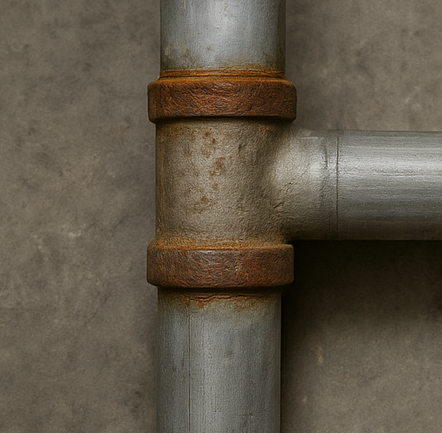
Plumbing is an essential component of any building, providing the vital infrastructure for clean water, sanitation, and overall functionality. While many people associate plumbing with simple household tasks, the scope of plumbing systems varies significantly between residential and commercial properties. Understanding these differences is crucial for property owners, facility managers, and construction professionals who want to ensure optimal system performance, safety, and compliance. Proper plumbing design not only guarantees convenience but also prevents costly repairs, water damage, and regulatory violations over time.
Residential plumbing systems typically serve single-family homes, apartments, and other small-scale living spaces, focusing on user comfort and efficiency. Commercial plumbing systems, on the other hand, cater to larger buildings such as offices, restaurants, hospitals, and industrial complexes, where higher water demand and complex layouts require specialized design and materials. These distinctions influence system capacity, materials, maintenance schedules, and installation techniques. In this blog, we will explore the key differences between residential and commercial plumbing systems, offering insights on design considerations, installation practices, maintenance strategies, and common challenges. By understanding these variations, property owners and managers can make informed decisions that optimize functionality, reduce operational risks, and maintain long-term reliability.
1. System Design and Complexity
Residential Plumbing Design
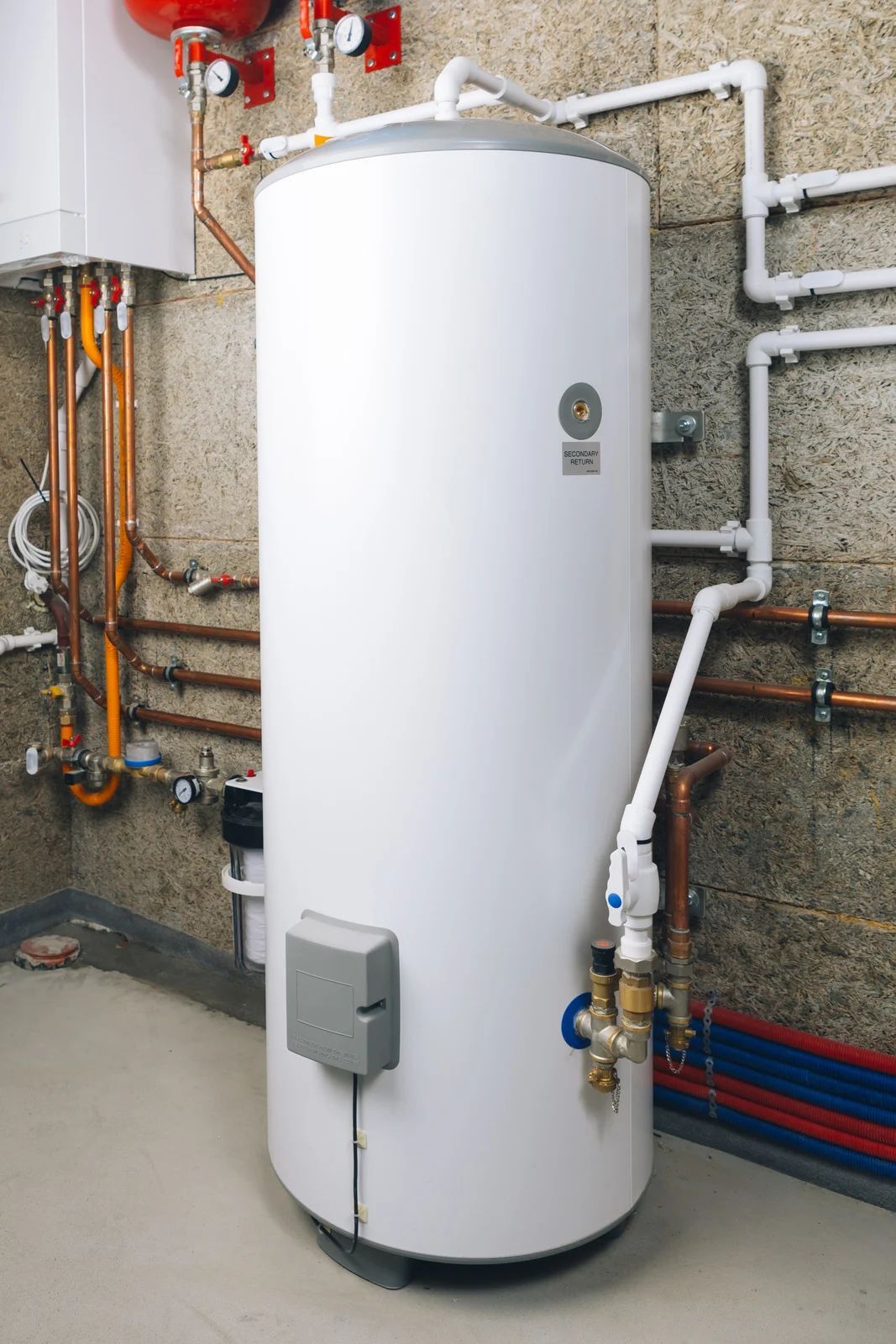
Residential plumbing systems are designed with simplicity, efficiency, and user convenience in mind. Most homes rely on a single main water line connected to a municipal supply, with branching lines delivering water to bathrooms, kitchens, laundry rooms, and outdoor fixtures. Drainage systems use gravity to channel wastewater through soil pipes into municipal sewage systems or septic tanks. Typical materials include copper, PEX, and PVC pipes, selected for durability, cost-effectiveness, and ease of installation.
In residential settings, the primary focus is on individual family needs. Hot water heaters are usually sized for 2–5 bathrooms, and fixtures are placed for convenience rather than maximizing water flow efficiency across multiple users simultaneously. Design considerations also emphasize noise reduction, aesthetics, and energy efficiency. For example, homes may include tankless water heaters, low-flow toilets, and water-saving faucets that promote sustainable use without compromising comfort.
Commercial Plumbing Design
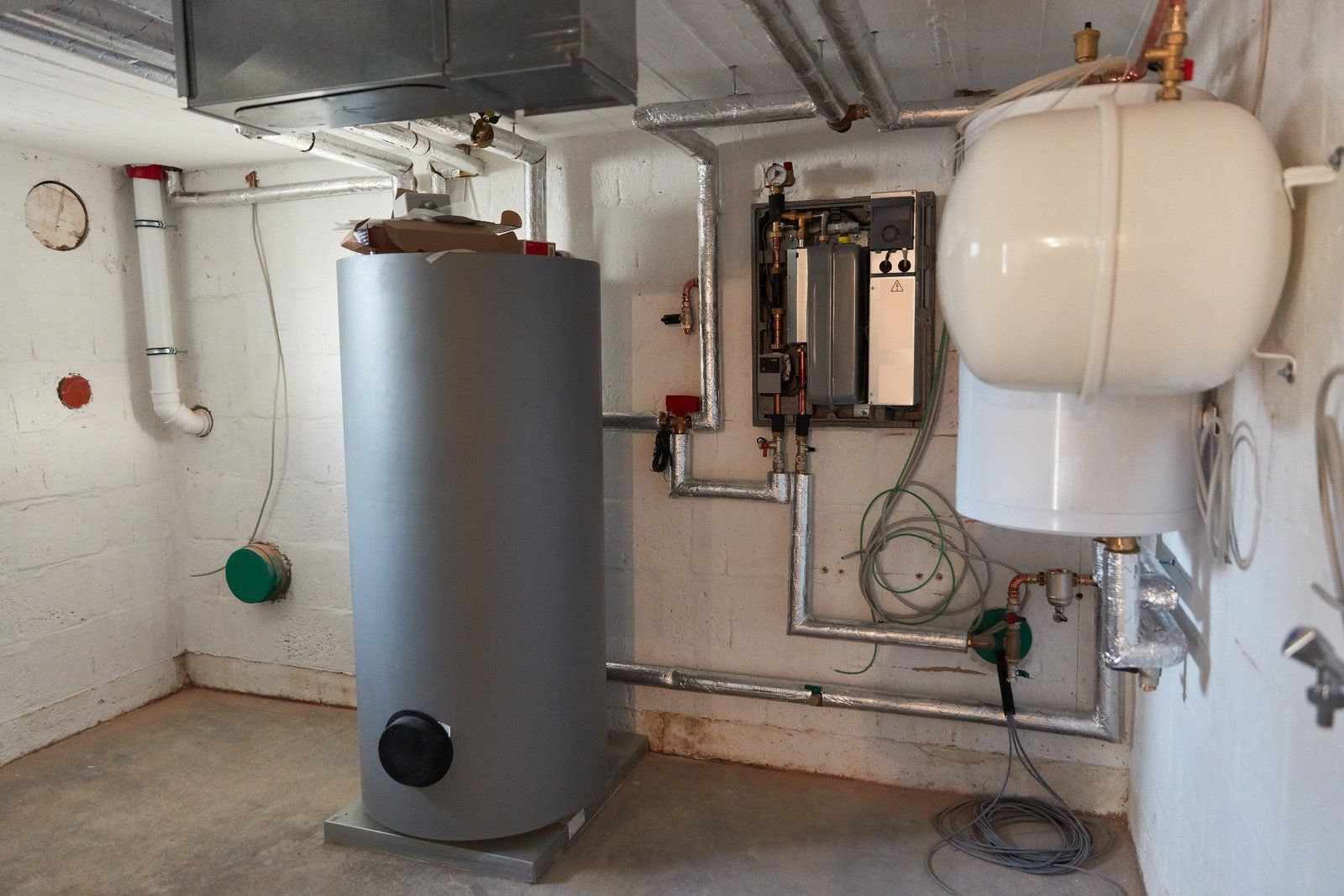
Commercial plumbing systems are inherently more complex due to larger building sizes, higher occupant density, and specialized usage. These systems require multiple main water lines, booster pumps, and pressure regulators to maintain consistent water supply across multiple floors and zones. Drainage and venting systems must accommodate significant wastewater volume from commercial kitchens, restrooms, laboratories, or industrial processes.
Materials for commercial plumbing often include cast iron, copper, and industrial-grade PVC or CPVC, chosen for their ability to handle high pressure and volume. Advanced designs integrate fire suppression systems, water softeners, and filtration units. Engineers must account for future expansion, peak demand, and regulatory compliance, such as health codes for restaurants or hospitals. Proper planning ensures operational efficiency, minimizes downtime, and reduces the risk of system failure under high-usage conditions.
Example:
A three-story office building with 12 bathrooms, two kitchens, and a laundry facility requires a commercial plumbing system capable of handling simultaneous water use without pressure drops, whereas a single-family home rarely experiences this type of demand.
2. Pipe Materials and Installation Methods
Residential Pipes
Residential plumbing commonly utilizes copper, PEX, or PVC pipes due to their cost-effectiveness, ease of installation, and durability. Copper is prized for longevity and resistance to corrosion, PEX offers flexibility and reduced installation time, and PVC is ideal for drainage and venting systems. Pipe sizing is generally smaller, with ¾-inch to 1-inch water supply lines sufficient for most household needs. Installation can often be completed quickly, with minimal specialized equipment required.
Commercial Pipes
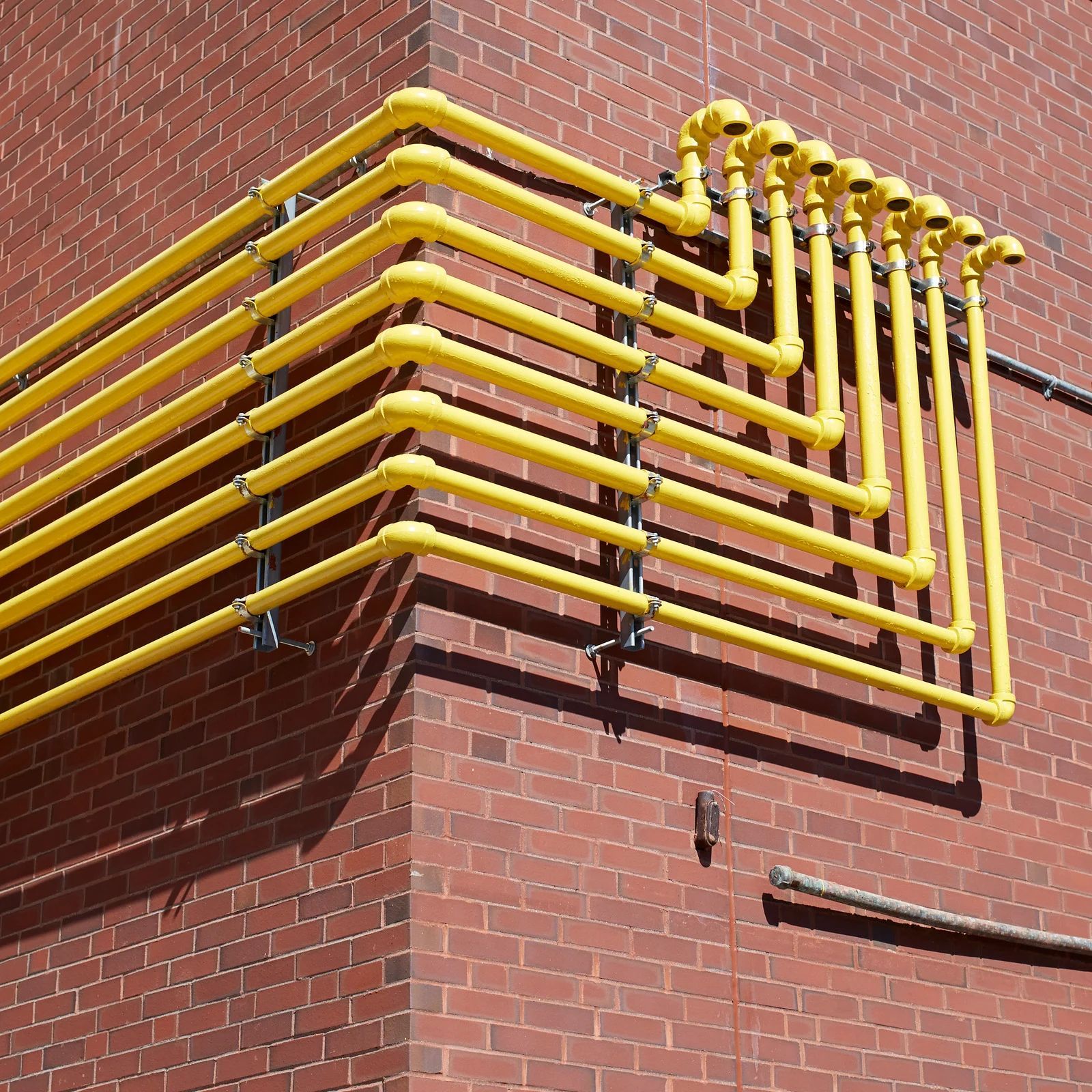
Commercial plumbing requires larger-diameter pipes and industrial-grade materials to accommodate higher flow rates and pressure. Cast iron and steel pipes are frequently used for drainage and waste lines due to their strength and noise reduction properties. Copper or CPVC is commonly used for supply lines, often with diameters exceeding 2 inches for large facilities. Installation involves heavy machinery, precise alignment, and compliance with building codes. Complex layouts may require coordinated installation with HVAC, electrical, and fire protection systems, often necessitating professional engineers and licensed contractors.
Key Differences
- Diameter: Residential pipes are smaller; commercial pipes handle higher volumes.
- Materials: Commercial systems demand more durable, high-pressure-resistant materials.
- Installation Complexity: Residential installations are straightforward; commercial installations require coordination across multiple trades.
Example: A restaurant’s kitchen plumbing may require high-capacity drains, grease traps, and pressure-regulated water supply, illustrating how commercial demands exceed standard residential requirements.
3. Water Pressure and Flow Management
- Residential Water Pressure:- In residential systems, water pressure is typically managed to balance comfort and safety, usually between 40–60 psi. Pressure regulators prevent damage to pipes and fixtures while ensuring adequate flow for showers, faucets, and appliances. Hot water systems are sized to meet family needs without excessive energy consumption.
- Commercial Water Pressure:- Commercial plumbing systems often require booster pumps, pressure-reducing valves, and multiple distribution lines to maintain consistent pressure across a building. Large office buildings or hotels must account for peak usage periods when hundreds of occupants may use water simultaneously. Fire suppression systems, commercial kitchens, and laboratories further complicate water flow management.
- Challenges and Best Practices:- Maintaining consistent pressure in commercial systems is more challenging due to height, distance, and user load. Engineers often use computer simulations to model water demand and optimize pipe sizing. Routine maintenance, including inspection of pumps, valves, and pressure regulators, ensures system reliability. In contrast, residential systems require minimal monitoring, mostly focused on leak detection and occasional pressure adjustments.
Example: A hotel with 200 rooms and multiple banquet halls relies on commercial pumps to prevent pressure drops during morning peak usage, whereas a single-family home rarely faces this issue.
4. Drainage, Sewage, and Waste Management
Residential Waste Systems
Residential drainage systems are typically smaller and simpler. Wastewater flows through gravity-fed pipes to municipal sewers or septic tanks. Venting pipes prevent sewer gases from entering living spaces, and maintenance often involves clearing minor clogs with a plunger or auger.
Commercial Waste Systems
Commercial buildings generate significantly more wastewater, requiring advanced drainage designs, including multiple cleanouts, grease traps, and backflow prevention devices. Hospitals, restaurants, and industrial facilities must also adhere to strict sanitation and environmental regulations. These systems often integrate sump pumps, interceptors, and automated monitoring to handle high volumes efficiently.
Key Differences
- Volume: Commercial systems manage higher wastewater loads.
- Complexity: Multiple drainage zones and specialized equipment are necessary in commercial setups.
- Maintenance: Commercial systems require scheduled inspections, while residential systems are maintained reactively.
Example: A hospital’s drainage system must handle continuous 24/7 wastewater flow from sinks, showers, and sterilization equipment, while a family home only experiences periodic wastewater discharge.
5. Maintenance, Repairs, and Cost Considerations
Residential Maintenance
Residential plumbing maintenance is generally straightforward and reactive. Common issues include leaks, clogs, and water heater malfunctions. Homeowners can often handle minor repairs themselves, while professional intervention is reserved for major problems. Costs are typically lower due to smaller pipe sizes and simpler layouts.
Commercial Maintenance
Commercial plumbing requires proactive, scheduled maintenance to prevent disruptions and comply with safety regulations. This includes inspecting pumps, valves, backflow preventers, and drainage systems, as well as cleaning grease traps and filters. Repairs are more complex, often requiring licensed professionals, specialized equipment, and temporary shutdowns to avoid impacting operations.
Cost Implications
- Residential: Lower installation and maintenance costs; repairs are usually less complex.
- Commercial: Higher costs due to larger systems, specialized materials, and regulatory compliance.
Example: Routine inspection of a high-rise office building’s plumbing system can prevent costly emergency repairs, such as flooding from a malfunctioning pump, demonstrating the importance of proactive commercial maintenance.
6. Regulatory and Code Compliance
Residential Codes
Residential plumbing must comply with local building codes and municipal water regulations. Compliance ensures safe water quality, proper drainage, and fire safety. Inspections are usually conducted during construction or major renovations, and homeowners are responsible for ongoing maintenance.
Commercial Codes
Commercial plumbing must adhere to stricter regulations due to higher water usage, occupancy levels, and public safety concerns. Fire suppression systems, backflow prevention, and wastewater management are closely regulated. Violations can result in fines, operational shutdowns, or legal liability. Engineers and licensed contractors often work closely with inspectors to ensure compliance.
Key Differences
- Commercial systems face more stringent regulations due to higher usage and risk exposure.
- Residential systems focus primarily on health, safety, and local code compliance.
Example: A restaurant must install grease traps and comply with environmental discharge regulations, whereas a home kitchen does not have these requirements.
Ensuring Optimal Plumbing Performance for Every Property
Residential and commercial plumbing systems serve the same fundamental purpose—delivering clean water and managing wastewater—but their scale, complexity, and regulatory requirements differ significantly. Residential systems prioritize user convenience, energy efficiency, and straightforward maintenance, while commercial systems demand high-capacity infrastructure, advanced materials, and proactive management to handle large volumes and peak usage periods. Understanding these differences helps property owners, contractors, and facility managers design, install, and maintain plumbing systems that are efficient, durable, and compliant with regulations.
For property owners in Billerica, Massachusetts, trust and experience are crucial when choosing plumbing services. Farfaras and Son Plumbing and Heating CO INC
brings 65
years of proven expertise to both residential and commercial projects. Their team provides comprehensive solutions, from installation and repairs to maintenance and code compliance, ensuring reliable performance for homes and businesses alike. With a focus on professional service, high-quality materials, and long-term reliability, we stand as a trusted partner in maintaining efficient, safe, and high-performing plumbing systems.