
What Counts as Commercial Plumbing — And Why It’s Different From Residential Plumbing
January 6, 2026
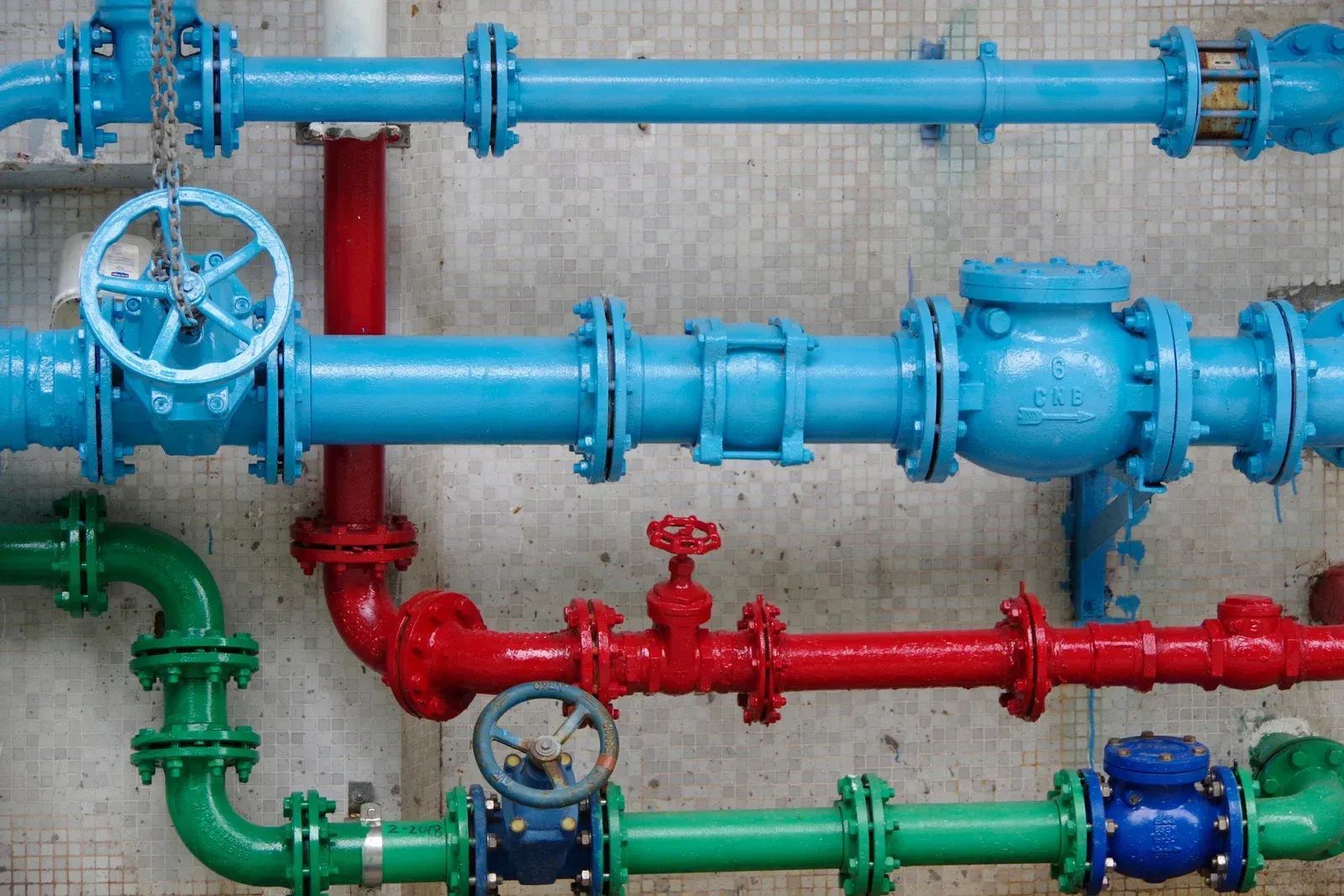
Plumbing is a critical part of any building’s infrastructure, ensuring that water, gas, and waste systems operate safely and efficiently. While most people are familiar with residential plumbing, which involves homes and small-scale water systems, commercial plumbing operates on an entirely different scale. Understanding what constitutes commercial plumbing and how it differs from residential systems is essential for building owners, property managers, and anyone involved in facility maintenance. From office buildings and restaurants to hospitals and schools, commercial plumbing addresses more complex requirements, higher usage demands, and stricter regulatory standards than a typical home setup. Recognizing these differences can prevent costly mistakes, ensure compliance with codes, and protect the longevity of your plumbing systems.
The distinction between commercial and residential plumbing goes beyond size and complexity—it impacts design, materials, installation practices, and maintenance schedules. Commercial systems require specialized knowledge, tools, and expertise to handle unique challenges, such as high-volume water flow, advanced waste management, and integrated heating and cooling systems. This blog will explore the key differences between commercial and residential plumbing, including typical applications, common challenges, and best practices for managing these systems. By the end, readers will gain a clear understanding of commercial plumbing, its demands, and why relying on experienced professionals is often the smartest choice for any business or facility.
1. Defining Commercial Plumbing
What Qualifies as Commercial Plumbing?
Commercial plumbing refers to the plumbing systems installed in buildings used for business purposes. This includes office buildings, factories, restaurants, retail stores, hospitals, schools, and any other facility that serves multiple people on a regular basis. Unlike residential plumbing, which serves a single-family home or a small dwelling, commercial plumbing supports high occupancy, frequent usage, and complex operations.
Examples of commercial plumbing systems include:
- Large-scale water supply and distribution networks
- High-capacity drainage and sewer systems
- Specialized piping for gas, chemicals, or industrial fluids
- Fire suppression systems like sprinklers
Scope and Scale Differences
One of the most noticeable differences between commercial and residential plumbing is the scale. Commercial systems must accommodate a higher volume of water usage, often across multiple floors and extensive building footprints. A restaurant, for instance, requires more sinks, dishwashers, and water heaters than a typical home kitchen, while a hospital may need dedicated water lines for patient care, laboratories, and sterilization equipment. The scope of commercial plumbing necessitates precise planning, careful material selection, and ongoing maintenance strategies to ensure reliability and efficiency.
2. Key Differences Between Commercial and Residential Plumbing
System Complexity
Residential plumbing tends to be straightforward, involving a few bathrooms, a kitchen, and perhaps laundry facilities. Commercial plumbing, on the other hand, is far more complex. Multiple water sources, high-pressure systems, large boilers, and integrated HVAC components often converge, requiring advanced design and installation techniques. For example, a commercial building may have separate water lines for drinking water, irrigation, fire suppression, and industrial processes—all requiring coordination and compliance with local codes.
Material and Equipment Requirements
Commercial plumbing often relies on more durable materials, such as copper, stainless steel, and heavy-duty PVC, designed to withstand higher pressure and continuous use. Equipment like water heaters, pumps, and filtration systems must handle larger capacities and longer operating hours. In contrast, residential plumbing can rely on more basic, cost-effective materials and smaller-scale appliances. Choosing the wrong material or equipment for a commercial project can result in frequent breakdowns, leaks, or code violations.
Regulatory Standards
Compliance with codes and regulations is another key differentiator. Commercial plumbing must adhere to stricter local, state, and federal regulations, including health, safety, and environmental standards. Restaurants, for instance, must follow sanitation codes for water supply and waste disposal, while hospitals must meet strict guidelines for sterile water delivery and medical gas systems. Residential systems, though still regulated, face less stringent oversight, making code compliance a less complex process.
3. Common Commercial Plumbing Challenges
- High Usage and System Strain:- Commercial plumbing systems often experience heavy usage, putting strain on pipes, fixtures, and appliances. Buildings with hundreds of employees or visitors daily may face water pressure fluctuations, clogs, and wear on mechanical components. Unlike residential systems, these issues can disrupt business operations, making preventive maintenance and rapid response essential.
- Complex Drainage and Waste Management:- Drainage in commercial properties can be particularly challenging. Restaurants, for example, produce large volumes of grease-laden wastewater, requiring grease traps and specialized drainage solutions. Hospitals and laboratories handle hazardous liquids that must be safely disposed of without contaminating other systems. Industrial sites may also require chemical-resistant piping and treatment systems. Managing these diverse waste streams is far more complicated than the typical home drain setup.
- Coordination With Other Systems:- Commercial plumbing often intersects with electrical, heating, ventilation, and fire protection systems. A malfunction in plumbing can affect HVAC performance, trigger water damage alarms, or compromise fire suppression systems. Coordinating repairs or installations across multiple systems demands experienced professionals capable of integrating different trades while maintaining safety and efficiency.
4. Best Practices for Commercial Plumbing
Regular Maintenance and Inspections
Preventive maintenance is crucial in commercial plumbing. Scheduling regular inspections can identify leaks, corrosion, or pressure issues before they escalate. Businesses often implement annual or biannual maintenance programs, including pipe cleaning, water heater servicing, and backflow testing. These measures extend the system’s lifespan and minimize costly downtime.
Using Professional Expertise
Commercial plumbing requires specialized training and licensing. Professional plumbers have knowledge of local building codes, system design, and advanced repair techniques. Engaging experts ensures that installations are up to code, repairs are effective, and maintenance schedules are optimized. Relying on unqualified personnel can lead to compliance issues, liability concerns, and repeated breakdowns.
Planning for Scalability
When designing commercial plumbing, planning for future growth is essential. Facilities may expand, add new equipment, or increase occupancy over time. A scalable plumbing system accommodates these changes without requiring extensive retrofitting. This may involve oversized pipes, modular water heaters, or flexible piping systems that can adapt to increased demand.
5. Real-World Examples of Commercial Plumbing Applications
- Restaurants and Food Services:- Restaurants require commercial-grade sinks, dishwashers, and water filtration systems. Proper grease traps, hot water supply, and high-capacity drains are critical to maintaining sanitary conditions and avoiding health code violations. For example, a busy diner may have dozens of meals prepared per hour, necessitating continuous water supply and reliable drainage.
- Office Buildings and High-Rises:- In large office buildings, plumbing must serve multiple floors with consistent water pressure. Hot water systems, toilets, and drinking fountains must function simultaneously for hundreds of occupants. Additionally, these buildings may require sprinkler systems for fire safety, water softeners to prevent scaling, and preventive maintenance to avoid interruptions.
- Hospitals and Healthcare Facilities:- Hospitals are among the most demanding commercial plumbing environments. Medical facilities rely on sterile water, advanced filtration, and separate drainage for hazardous materials. Any disruption can have serious consequences for patient care. Plumbers must coordinate with facility managers and medical staff to ensure safety, compliance, and uninterrupted service.
- Industrial and Manufacturing Sites:- Factories and industrial plants often use specialized piping for chemicals, waste, and water treatment. Plumbers may need to install corrosion-resistant materials, high-capacity pumps, and complex drainage systems. Maintenance schedules are often rigorous, with minimal tolerance for downtime that could affect production lines.
6. Cost and Long-Term Considerations
Upfront Investment vs. Longevity
Commercial plumbing typically requires a higher initial investment compared to residential systems. However, using durable materials, professional installation, and preventive maintenance reduces long-term costs. Attempting to cut costs by using residential-grade materials in a commercial setting often leads to frequent repairs and system failures, which are more expensive over time.
Energy and Water Efficiency
Commercial plumbing also has implications for energy and water efficiency. Efficient systems reduce utility costs and environmental impact. Examples include high-efficiency water heaters, low-flow fixtures, and smart leak detection systems. Properly designed commercial plumbing not only ensures reliability but also supports sustainable building practices, benefiting both the business and the community.
Risk Management and Liability
Failures in commercial plumbing can result in property damage, business interruptions, and liability issues. For example, a burst pipe in a restaurant could shut down operations for days, damage equipment, and require costly remediation. Professional commercial plumbers mitigate these risks by adhering to strict standards, ensuring compliance, and providing reliable service.
Trusted Experts Delivering Reliable Commercial Plumbing Solutions
Commercial plumbing is a complex and highly specialized field that extends far beyond the scope of residential systems. From larger scale infrastructure to strict regulatory compliance, the differences are significant and impact design, installation, maintenance, and overall system performance. Businesses and facility managers face unique challenges, including high water usage, intricate drainage requirements, and integration with other building systems. Understanding these factors highlights the importance of engaging trained, licensed professionals who can ensure efficient, code-compliant, and reliable plumbing solutions. Preventive maintenance, proper material selection, and strategic planning are essential for avoiding costly repairs and minimizing operational disruption.
Farfaras and Son Plumbing and Heating CO INC, based in Billerica, Massachusetts, brings 65
years of trusted experience to commercial and residential plumbing alike. Our team of licensed professionals specializes in designing, installing, and maintaining complex plumbing systems for businesses of all sizes. By combining expert knowledge, high-quality materials, and proven practices, we deliver solutions that are durable, efficient, and fully compliant with regulatory standards. Whether it’s a restaurant, office building, or healthcare facility, Farfaras and Son Plumbing ensures reliable service that safeguards your operations and gives you peace of mind. With decades of industry experience, we remain a dependable partner for all plumbing needs in Billerica and beyond.