
No Hot Water Across the Whole Building? How Commercial Water Heaters Differ
July 4, 2026
Quick Answer: Losing hot water across an entire building points to the commercial water heating system, which works differently from a residential unit. Commercial systems are built for far higher demand and often use larger or multiple units, higher capacity and recovery rates, and more complex configurations. When a whole building loses hot water, the cause is usually at that central system, and because of its scale and complexity, commercial water heater problems call for someone who understands commercial equipment, not a residential-sized approach. Fast, knowledgeable response limits the disruption to tenants.
For a property manager, few calls are worse than tenants across the building reporting no hot water at once. A single unit without hot water is one tenant's problem; the whole building without it is everyone's problem, and yours to solve fast. It is the kind of situation where the difference between residential and commercial water heating suddenly matters a great deal.
When an entire building loses hot water, the cause almost always lies with the central commercial water heating system that serves it, and that system is a different animal from the tank in a house. Commercial water heaters are built for a scale of demand and a level of complexity that residential equipment is not, and understanding those differences explains both why a whole-building outage happens and why it needs the right kind of attention. For anyone responsible for a commercial or multi-unit property, knowing how commercial water heating differs is worth understanding before the hot water goes out. Here is what sets it apart.
Why a Whole Building Losing Hot Water Points to the System
When hot water fails everywhere in a building at once, the very fact that it is building-wide tells you where to look: the central system that supplies them all.
In a commercial or multi-unit building, hot water is typically produced by a central water heating system, one or more large units serving the whole building, rather than a separate small heater for each unit (in many configurations). So when every tap in the building runs cold, the problem is not in any one unit; it is upstream, at the system that feeds them all. A single tenant losing hot water might be a localized issue, but the whole building losing it points squarely at the central equipment or its distribution.
That is the first thing the scale of the outage tells you. And it is why diagnosing a building-wide hot water failure means understanding the commercial system as a whole, the heating units, their capacity, the recovery, and how hot water is distributed through the building, rather than thinking of it like a single home water heater. The problem is at a system level, so the response has to be too.
How Commercial Water Heaters Differ From Residential
The core reason commercial water heating is its own discipline is that it is built for a completely different scale of demand. A few key differences define it.
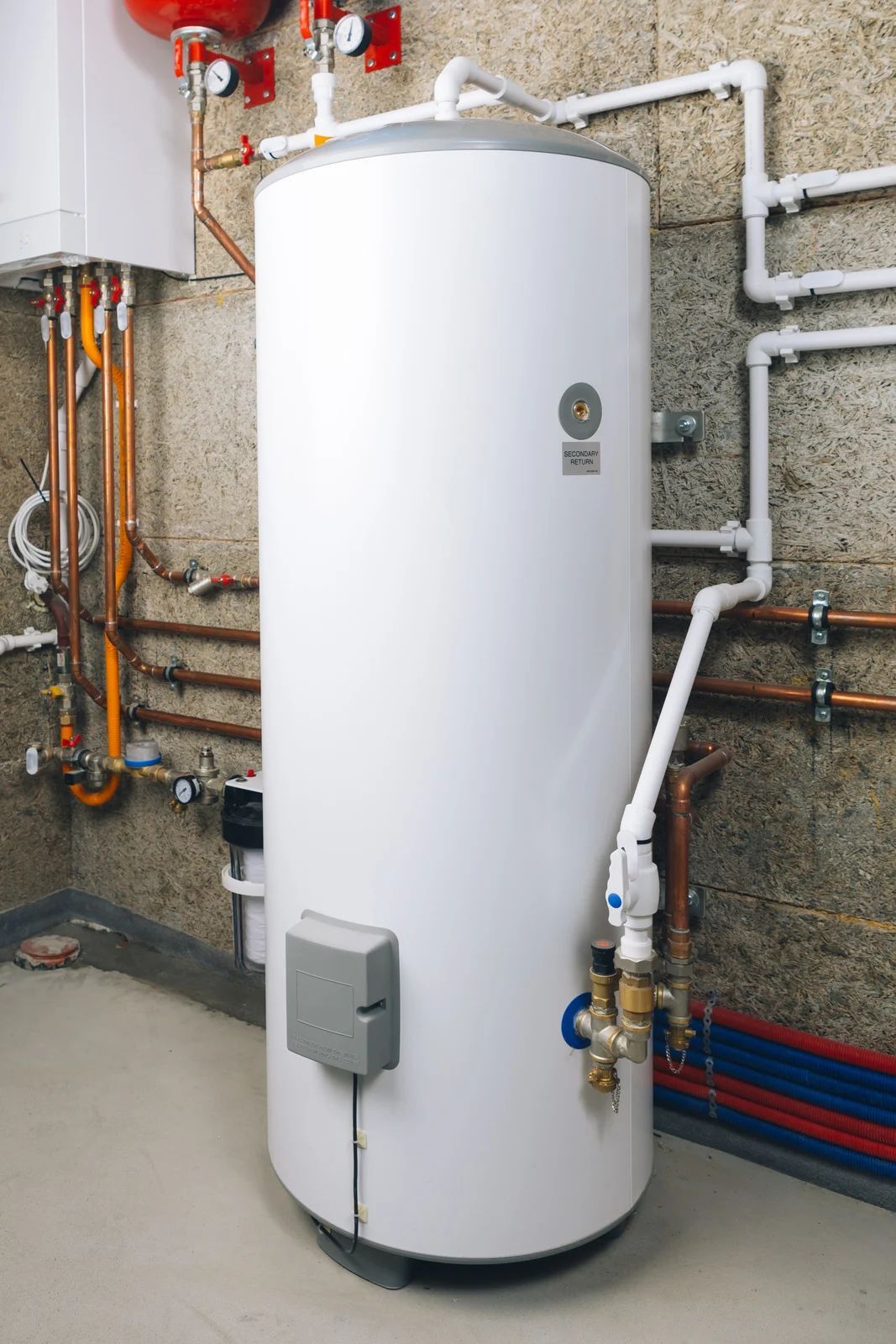
Much higher demand and capacity. A home serves a household; a commercial building may serve dozens of units, or a business with heavy hot water use. Commercial water heaters are built for that far greater demand, with much larger capacity and the ability to supply many fixtures at once. The whole system is sized to a load a residential unit could never meet.
Higher recovery rates. Recovery rate is how fast a water heater reheats its supply. Commercial systems are designed for high recovery, so they can keep up with continuous, heavy demand, reheating water fast enough that the building does not run out. This is central to how they are engineered, and a recovery problem can leave a building short on hot water even if the unit is technically "working."
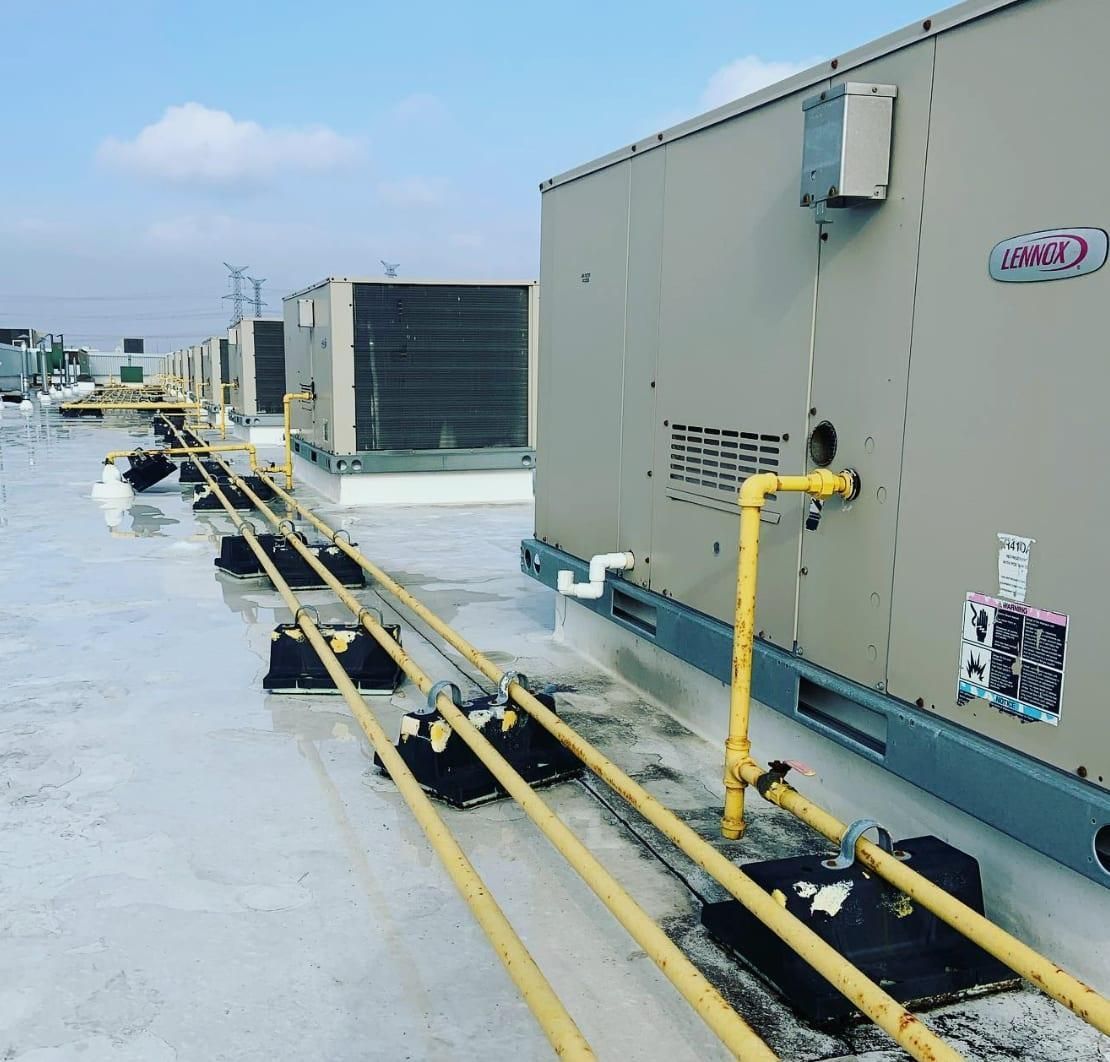
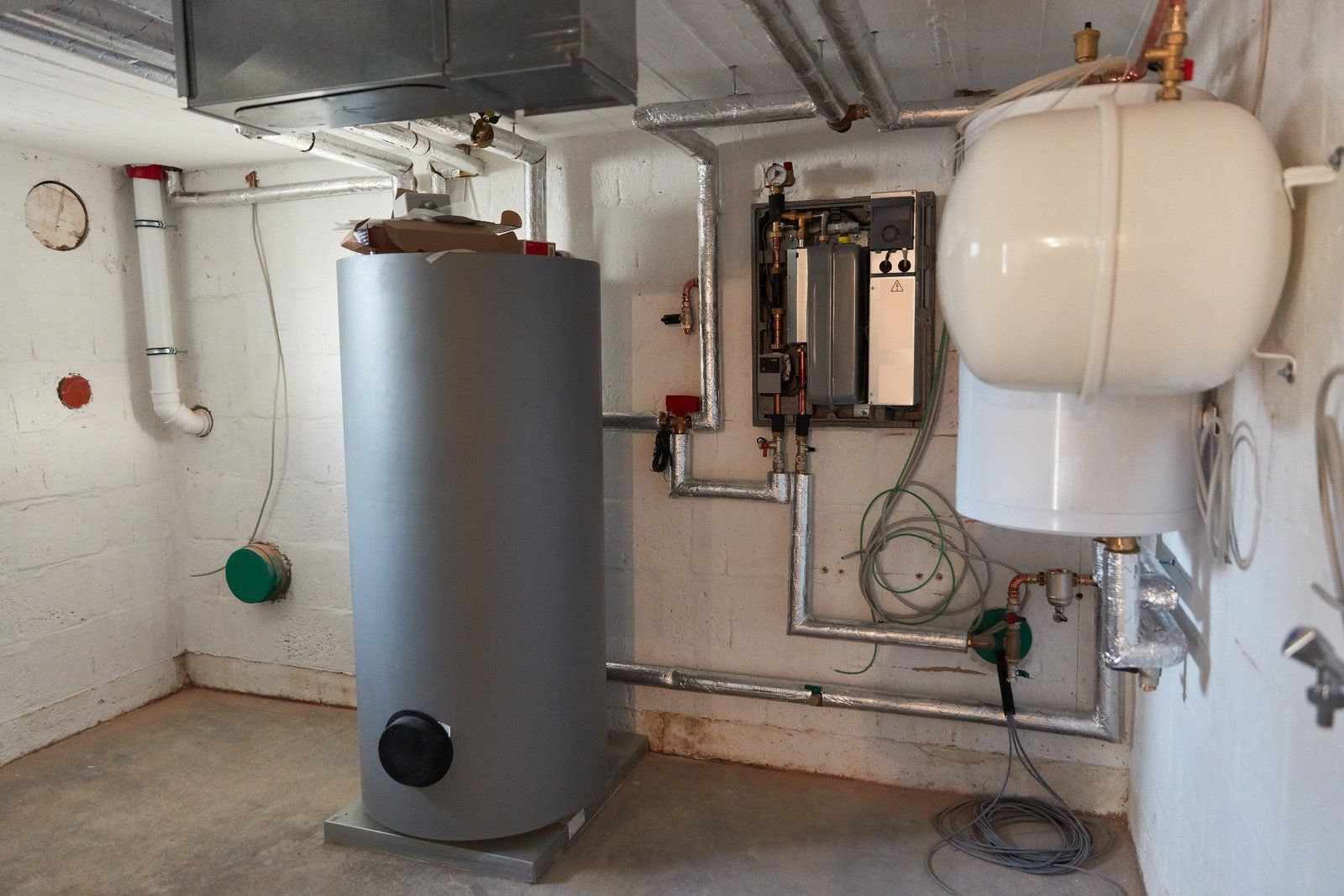
Larger or multiple units, more complex configurations. Commercial hot water often comes from large units, banks of multiple units working together, or more complex setups with storage and circulation. That complexity means more components and more ways the system can be configured, and serviced, than a simple residential tank.
Built-in distribution and circulation. Larger buildings often circulate hot water so it is available quickly throughout, which adds pumps and piping a house does not have. A problem there can affect hot water delivery across the building.
Greater consequences when it fails. When a residential heater fails, one household is affected. When a commercial system fails, an entire building of tenants or an operating business is, raising the stakes and the urgency.
The throughline is scale and complexity: commercial water heating is engineered for heavy, continuous, building-wide demand, with bigger or multiple units, high recovery, and more involved configurations. That is exactly why it is not a scaled-up version of a home water heater but a different category of equipment.
Tip: As a property manager, know your building's hot water system before there's a problem, what equipment serves the building, where it is, its capacity, and its basic configuration. Having that information, and a relationship with a plumber who handles commercial water heating, means that when hot water goes out building-wide, you can get the right help moving immediately instead of scrambling to figure out what you have while tenants are calling. Preparation turns an emergency into a faster fix.
Why It Takes Commercial Know-How
Because commercial water heating differs so much from residential, addressing a building-wide hot water problem calls for someone who understands commercial systems, and that distinction matters.
A commercial system's scale, higher capacity, high recovery demands, multiple or large units, and added distribution and circulation, means diagnosing and fixing it involves equipment and considerations a residential approach does not cover. Sizing, recovery capacity, how the units work together, and how hot water is distributed all factor into both diagnosing the failure and restoring proper hot water to the whole building. Someone experienced with commercial water heating understands these systems and can work on the larger, more complex equipment correctly.
There is also the matter of getting the building back to full hot water capacity, not just producing some hot water, but enough, fast enough, to meet the building's real demand. That is a commercial sizing and recovery question, exactly the kind of thing commercial expertise addresses. For a property manager, matching the problem to someone who knows commercial systems is what gets the building properly back online rather than partially or temporarily patched.
Warning: When a whole building loses hot water, the urgency is real, tenants are affected and, depending on the situation, there can be habitability obligations, so it's not a problem to let sit. At the same time, commercial water heating equipment is large, complex, and not a do-it-yourself or residential-handyman job; improper work on commercial systems can be unsafe and may not restore the building's full hot water capacity. A building-wide outage is best handled promptly by a plumber experienced with commercial water heating.
Frequently Asked Questions
Why did my whole building lose hot water at once?
Because the problem is almost certainly at the central commercial water heating system that serves the whole building, not in any one unit. When every tap runs cold, the cause is upstream, the heating equipment, its capacity or recovery, or the distribution, rather than a localized issue. A building-wide outage points squarely at the central system.
How is a commercial water heater different from a residential one?
It's built for far greater demand. Commercial systems have much larger capacity, higher recovery rates so they reheat fast enough for continuous heavy use, and often use large or multiple units with more complex configurations and circulation. It's not a bigger home water heater, it's a different category of equipment engineered for building-wide demand.
What is recovery rate and why does it matter?
Recovery rate is how fast a water heater reheats its supply. Commercial systems are designed for high recovery so they keep up with continuous, heavy demand without the building running out. It matters because a recovery problem can leave a building short on hot water even when the unit seems to be working, so it's a key factor in diagnosing commercial hot water issues.
Can a regular plumber handle a commercial water heater?
It calls for someone experienced with commercial systems specifically. The scale, multiple or large units, high recovery demands, and added distribution and circulation, involves equipment and considerations a residential approach doesn't cover. Matching the problem to commercial know-how is what gets the building properly back to full hot water capacity rather than partially patched.
How urgent is a building-wide hot water outage?
Very. An entire building of tenants, or an operating business, is affected, and depending on the situation there can be habitability obligations, so it shouldn't sit. The scale of the impact is exactly why a whole-building outage warrants a prompt response from a plumber experienced with commercial water heating.
Could the problem be distribution rather than the heater itself?
Yes. Larger buildings often circulate hot water with pumps and piping so it's available throughout, and a problem there can affect delivery across the building even if the heater is producing hot water. That's part of why diagnosing a commercial system means looking at the whole setup, the units, recovery, and distribution, not just the heater.
Is some hot water but not enough also a system problem?
Yes, and it's a telling one. A commercial system that produces hot water but can't keep up, running out under demand, often points to a recovery or capacity issue rather than a total failure. Because commercial systems are engineered around recovery rate and capacity, getting enough hot water fast enough is its own question that commercial expertise addresses.
Should property managers have the system serviced before it fails?
Proactive attention generally beats waiting for a building-wide outage. Knowing your equipment and having it looked after by someone experienced with commercial water heating can catch developing problems before they leave a whole building without hot water, which is far more disruptive to tenants than planned service.
Getting the Building Back Online
When an entire building loses hot water, the scale of the outage points to the central commercial water heating system, equipment built for a level of demand, recovery, and complexity that residential units are not. Commercial water heating differs in capacity, recovery rate, configuration, and consequences, which is why a building-wide problem is not a scaled-up home repair but a job for commercial know-how. For a property manager, understanding that difference, and getting the right experienced help promptly, is what restores full hot water to the whole building and limits the disruption to tenants.
Restore hot water to the whole building, properly and fast — A building-wide hot water outage points to the central commercial system, equipment built for a scale, recovery, and complexity that residential units aren't, and it needs commercial know-how, not a home-sized fix. Farfaras and Son Plumbing and Heating CO INC
services
commercial water heating
for buildings and property managers across the Billerica area, diagnosing the system and restoring full hot water capacity. Reach out for commercial plumbing service and get your building back online.