
Understanding Gas Piping Systems: Safety Basics Every Property Owner Should Know
June 8, 2026
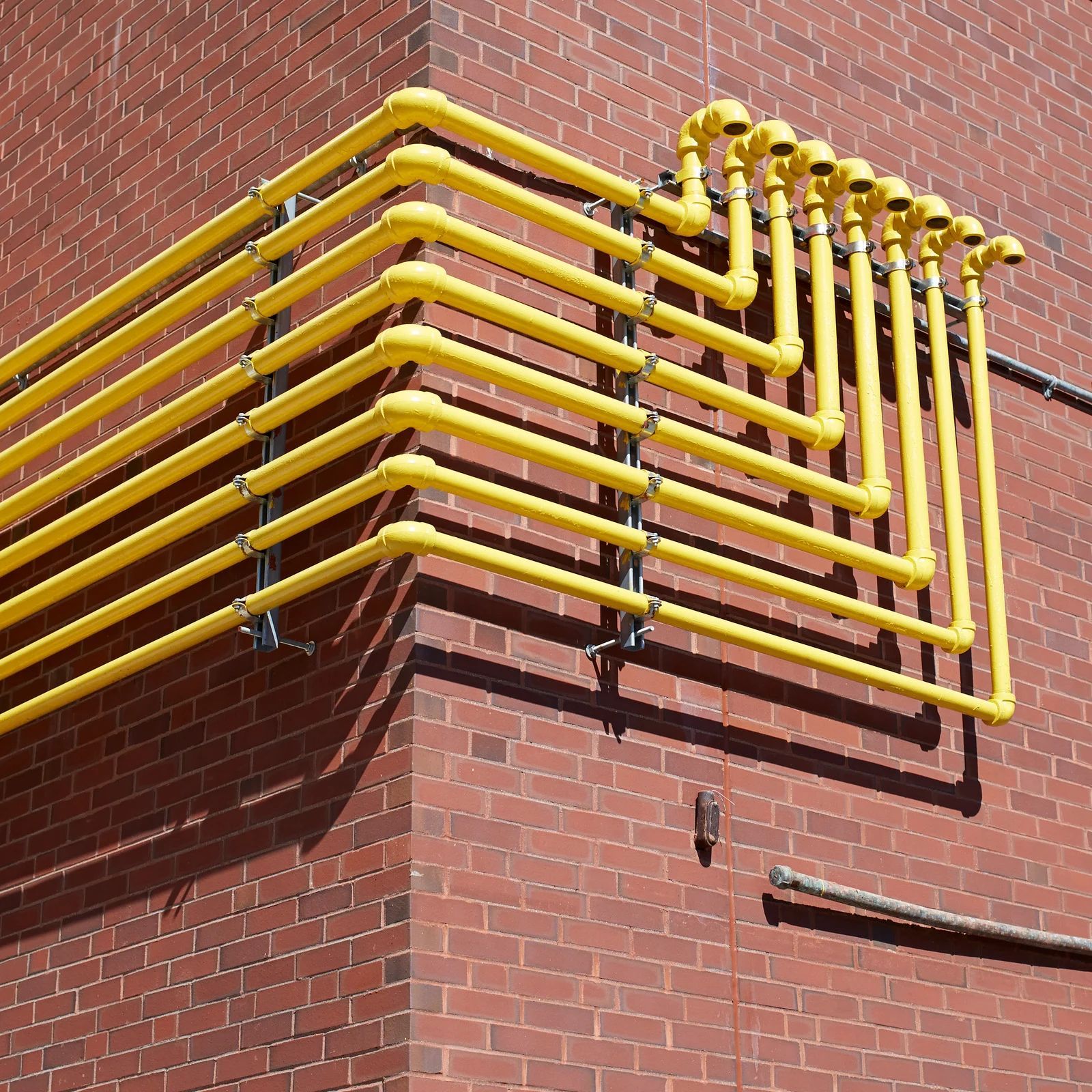
Gas piping systems are an essential part of many residential and commercial properties, supplying fuel for heating systems, water heaters, stoves, fireplaces, dryers, and various industrial applications. While these systems often operate quietly behind walls, beneath floors, and underground, they play a critical role in maintaining comfort, convenience, and productivity. Because natural gas and propane are highly efficient energy sources, they remain popular choices across many property types. However, the safe operation of any gas piping system depends on proper design, installation, maintenance, and regular inspection. Property owners who understand the fundamentals of gas piping safety are better equipped to identify potential concerns before they develop into serious hazards.
A lack of awareness regarding gas piping systems can increase the risk of leaks, equipment malfunctions, fire hazards, and costly property damage. Even minor issues such as corrosion, loose fittings, or aging pipe materials can create significant safety concerns when left unaddressed. Understanding how gas piping systems function, recognizing warning signs of trouble, and following recommended maintenance practices can help protect occupants and property investments. This guide explores the essential components of gas piping systems, common safety risks, inspection considerations, maintenance responsibilities, and best practices every property owner should know to promote safe and reliable gas system performance.
The Fundamentals of Gas Piping Systems
What a Gas Piping System Does
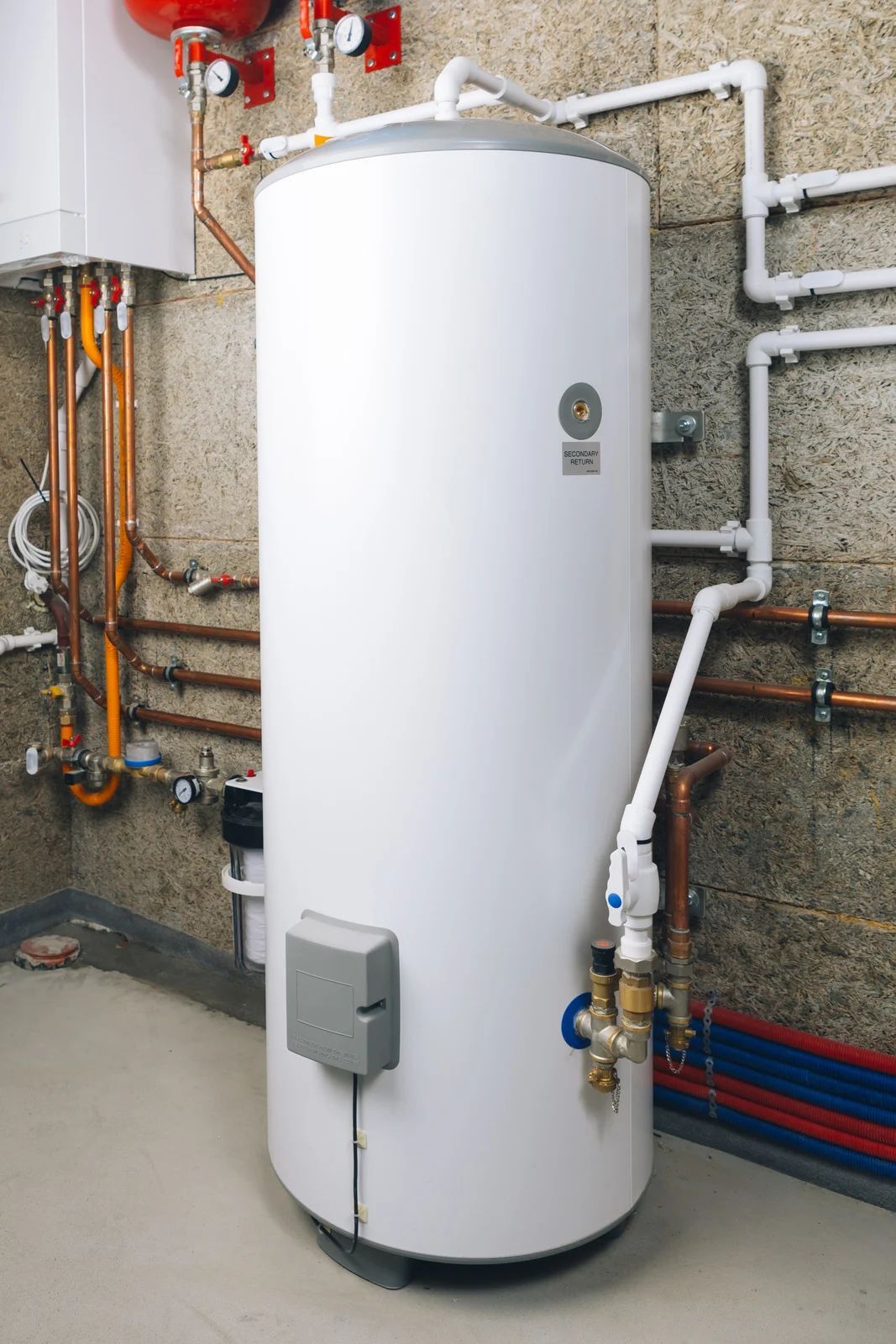
A gas piping system is designed to transport natural gas or propane from a utility connection or storage source to appliances throughout a property. These systems consist of interconnected pipes, fittings, valves, regulators, connectors, and appliance connections that work together to deliver fuel safely and efficiently.
The primary objective of any gas piping network is to maintain proper gas pressure and flow while preventing leaks. When designed and installed correctly, the system delivers fuel consistently to all connected appliances without compromising safety.
Common Components Found in Gas Systems
Property owners should be familiar with several key components commonly found in gas piping installations:
- Main gas service lines
- Branch distribution lines
- Shut-off valves
- Pressure regulators
- Flexible appliance connectors
- Gas meters
- Appliance supply connections
- Sediment traps
Each component serves a specific purpose within the system. Damage or failure in any part of the network can affect overall safety and performance.
Materials Used in Modern Gas Piping
Gas piping systems may be constructed using different materials depending on local regulations, application requirements, and installation conditions. Common materials include:
- Black steel pipe
- Corrugated stainless steel tubing (CSST)
- Copper tubing in approved applications
- Polyethylene piping for underground installations
Each material offers unique advantages, but all require proper installation techniques and periodic evaluation to ensure long-term reliability.
Common Gas Piping Hazards Property Owners Should Understand
Gas Leaks and Their Risks
Gas leaks represent one of the most serious hazards associated with gas piping systems. Even small leaks can create dangerous conditions when gas accumulates within enclosed spaces.
Potential consequences include:
- Fire hazards
- Explosions
- Property damage
- Health risks
- Business interruptions
One of the most recognizable signs of a gas leak is the sulfur-like odor intentionally added to natural gas. Property owners should never ignore unusual smells near appliances, utility rooms, or outdoor gas lines.
Corrosion and Pipe Deterioration
Over time, gas piping materials may experience deterioration due to environmental exposure, moisture, soil conditions, or age-related wear. Corrosion weakens pipe walls and increases the likelihood of leaks.
Underground piping is particularly vulnerable because corrosive soil conditions may accelerate material degradation. Regular inspections help identify corrosion before structural failure occurs.
Improper Appliance Connections
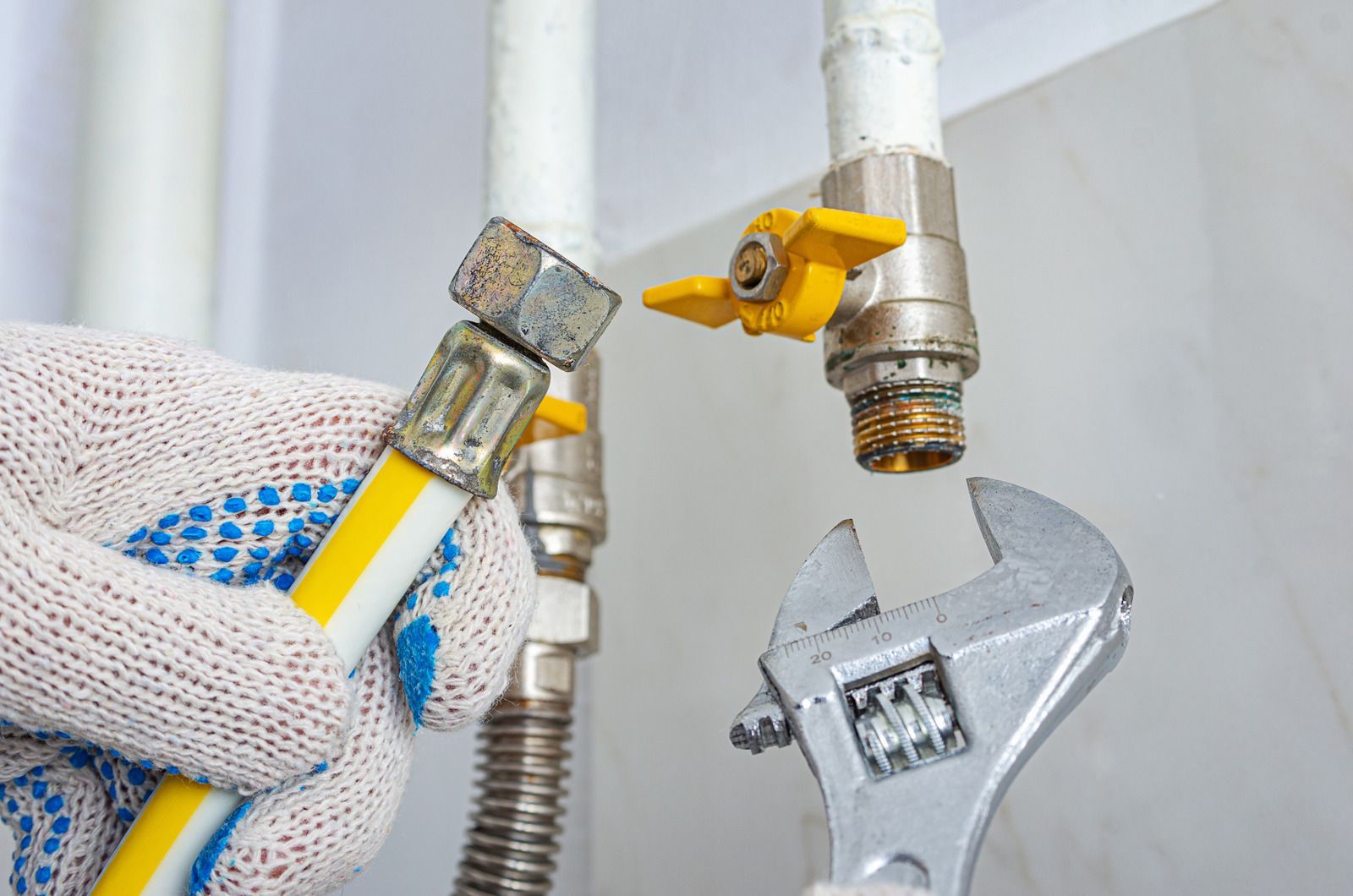
Poorly installed appliance connectors and fittings can create leak points within a gas system. Improper modifications performed during appliance replacements or renovations may also compromise safety.
For example, a homeowner replacing a gas range without proper connection procedures could unintentionally create a leak that remains undetected for an extended period.
Physical Damage to Gas Lines
Gas lines may be damaged during landscaping, excavation projects, remodeling work, or routine maintenance activities. Striking a buried gas line with digging equipment can create immediate safety risks and service disruptions.
Before beginning excavation projects, property owners should always follow local utility location procedures and verify the location of underground gas infrastructure.
Warning Signs That May Indicate Gas Piping Problems
Unusual Odors Near Gas Appliances
The presence of a rotten egg or sulfur smell often serves as the first warning sign of a gas leak. Any persistent gas odor should be treated as a serious concern requiring immediate attention.
If occupants detect a strong gas smell, they should evacuate the area, avoid creating sparks, and contact emergency services or the gas utility provider.
Hissing Sounds Around Piping
A hissing or whistling sound near gas piping may indicate escaping gas under pressure. This issue can occur at damaged fittings, cracked pipes, or loose connections.
The louder the sound, the greater the possibility of a significant leak requiring urgent professional evaluation.
Dead Vegetation Near Underground Gas Lines
Outdoor gas leaks can affect surrounding vegetation. Dead grass, plants, or shrubs located directly above underground gas lines may indicate gas escaping into the soil.
Although plant damage can have many causes, unexplained vegetation loss near gas infrastructure should be investigated.
Changes in Appliance Performance
Gas appliances often provide early clues when piping problems develop. Warning signs may include:
- Difficulty igniting burners
- Inconsistent flames
- Reduced heating performance
- Frequent pilot light outages
- Unusual appliance shutdowns
These symptoms may indicate pressure issues, restricted gas flow, or other system concerns.
Inspection and Maintenance Practices That Improve Safety
The Importance of Professional Inspections
Routine professional inspections help identify potential concerns before they become major safety hazards. During an inspection, qualified professionals evaluate system components, test connections, verify pressure levels, and assess overall system condition.
Regular inspections are particularly important for older properties where gas piping materials may have experienced decades of wear.
Leak Detection Testing
Modern leak detection methods allow professionals to locate even minor gas leaks that may not produce obvious symptoms.
Common testing methods include:
- Pressure testing
- Electronic leak detectors
- Soap solution testing
- Specialized gas detection equipment
These procedures provide a more thorough assessment than visual inspection alone.
Maintaining Shut-Off Valve Accessibility
Every property owner should know the location of primary gas shut-off valves. These valves provide an important layer of protection during emergencies.
Valves should remain accessible at all times and should never be blocked by storage items, landscaping features, or building modifications.
Replacing Aging Components
Gas piping systems contain components that may eventually require replacement due to wear, corrosion, or code changes.
Examples include:
- Aging flexible connectors
- Corroded fittings
- Damaged regulators
- Outdated piping sections
- Worn shut-off valves
Replacing aging components before failure occurs reduces the likelihood of emergency repairs.
Best Practices for Safe Gas Piping Ownership
Avoid Unauthorized Modifications
One of the most common causes of gas system problems is unauthorized modification. Property owners should avoid attempting gas line installations, rerouting, or appliance connections without proper qualifications.
Even seemingly minor adjustments can create serious safety risks if performed incorrectly.
Plan Ahead During Renovations
Renovation projects often involve walls, floors, utility spaces, and mechanical systems where gas piping may be present. Careful planning helps prevent accidental damage.
For example, kitchen remodels frequently involve appliance relocations that may require gas line modifications. Professional planning helps ensure these changes meet safety requirements.
Educate Occupants About Emergency Procedures
Everyone who lives or works within a property should understand basic gas safety procedures.
Important topics include:
- Recognizing gas odors
- Identifying shut-off valve locations
- Evacuation procedures
- Emergency contact information
- Safe response protocols
Prepared occupants can respond more quickly and appropriately during an emergency.
Maintain Records of System Work
Keeping documentation of inspections, repairs, upgrades, and maintenance activities provides valuable information for future service needs.
Accurate records help professionals evaluate system history and identify recurring concerns more efficiently.
Partner With Qualified Professionals
Perhaps the most important safety practice is establishing a relationship with experienced plumbing and gas piping professionals before problems occur.
Qualified professionals understand current codes, proper installation methods, pressure requirements, safety standards, and inspection procedures. Their expertise helps reduce risk while supporting long-term system reliability.
Trusted Plumbing Expertise Backed by Decades of Experience
When it comes to gas piping safety, plumbing system performance, and long-term property protection, experience matters. At Farfaras and Son Plumbing and Heating CO INC, we understand the critical role that properly installed and maintained gas piping systems play in residential and commercial properties. For more than 65 years, we have provided dependable plumbing and heating services throughout Billerica, Massachusetts, helping property owners address everything from routine maintenance and inspections to complex piping installations and system upgrades.
Our commitment to quality workmanship, safety-focused solutions, and industry best practices allows us to deliver services that support both reliability and peace of mind. We believe every gas piping system deserves careful attention, accurate assessments, and professional care that prioritizes occupant safety. Whether a property owner requires gas line installation, system evaluation, leak detection assistance, appliance connections, or broader plumbing services, we bring extensive knowledge and practical experience to every project.
By combining technical expertise with a customer-focused approach, we help clients make informed decisions about their plumbing and gas systems. Our dedication to high standards, code compliance, and long-term performance has earned the trust of property owners throughout the region. When safety, reliability, and professional service matter, we remain a dependable resource for plumbing and heating solutions.