
Why Professional Gas Piping Installation Beats DIY Every Time
May 5, 2026
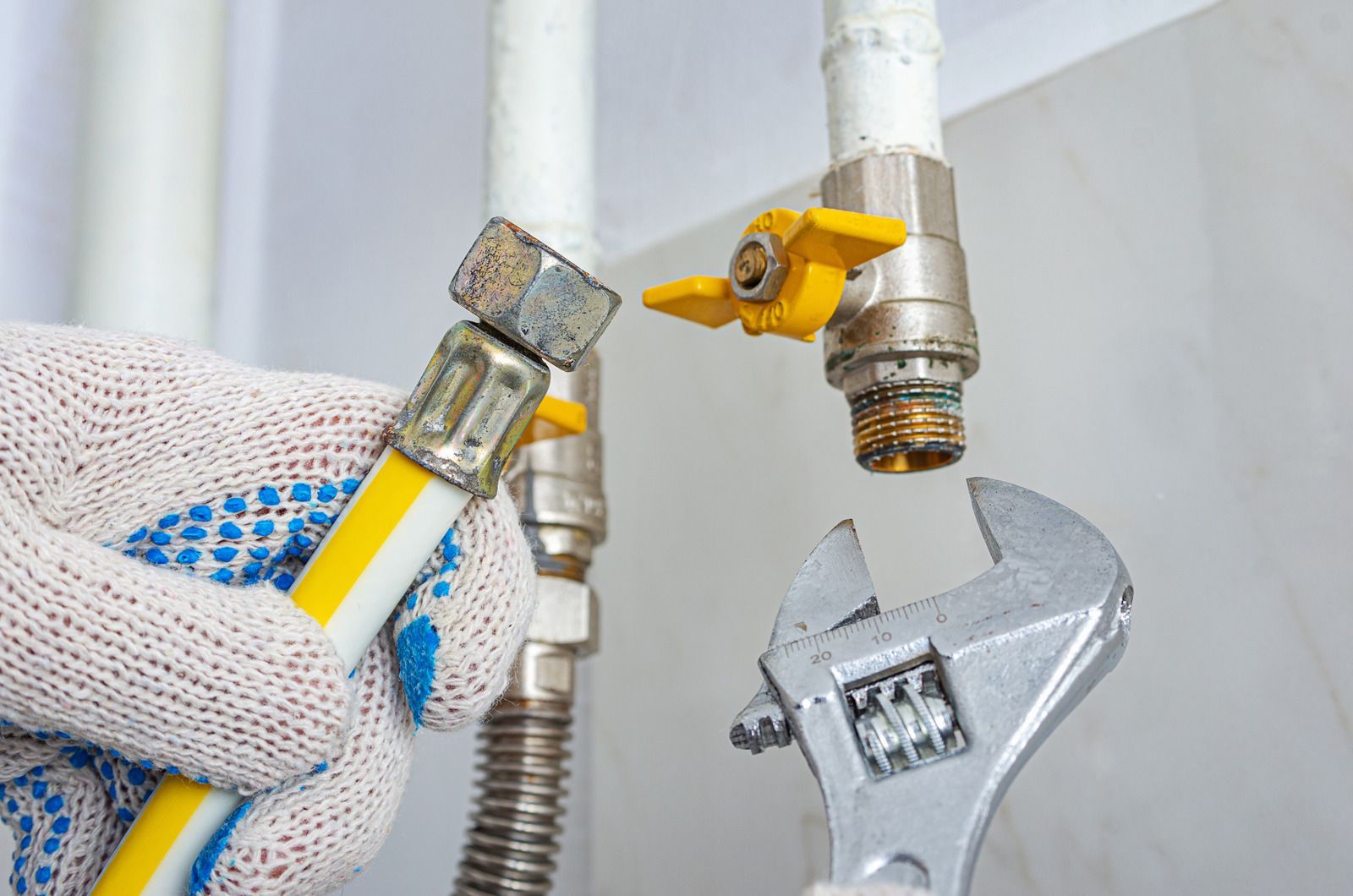
Gas piping installation is a critical component of modern homes and businesses, providing fuel for heating systems, appliances, and industrial equipment. While some property owners may consider handling installation themselves to save money, the risks and complexities involved are far greater than they might anticipate. Even small errors in design, connection, or material selection can lead to leaks, fires, explosions, and long-term damage. Understanding the nuances of gas piping is essential to safeguarding both property and personal safety. Additionally, improper installation can void warranties on appliances or systems, creating unforeseen financial liabilities. Awareness of these risks underscores why careful planning and professional oversight are not optional but necessary.
Beyond safety, professional installation ensures optimal performance and longevity of gas-powered systems. Properly installed piping improves efficiency, reduces the risk of costly repairs, and ensures compliance with local building codes and industry standards. Unlike DIY approaches, professional installation addresses every variable, from pipe sizing and pressure testing to ventilation and leak detection. For anyone considering a gas system upgrade, renovation, or new construction project, the stakes are too high to leave this critical work to chance. Expert installation also enhances energy efficiency, prolongs equipment lifespan, and provides reliable operation under variable loads, ensuring consistent comfort and utility for the property. By examining the advantages, challenges, and expert practices involved in gas piping installation, it becomes clear why professional expertise is the superior choice. Investing in skilled installation is an investment in reliability, safety, and peace of mind, offering tangible benefits for both short-term functionality and long-term protection.
Safety Is Non-Negotiable
Understanding the Risks
Gas is highly flammable and, under certain conditions, potentially explosive. Even a minor leak from improperly installed piping can escalate quickly into a life-threatening situation for occupants. Gas odors, often the first warning sign, may go unnoticed in poorly ventilated areas, creating silent hazards that can catch homeowners off guard. Structural damage caused by improper installation, such as weakened supports, misaligned pipes, or insufficient bracing, can further exacerbate these risks and increase potential danger.
DIY attempts frequently overlook critical safety measures, such as the correct installation of shut-off valves, pressure regulators, venting systems, and proper pipe supports. Professionals use specialized tools, diagnostic equipment, and calibrated testing devices to verify that connections are secure and leaks are virtually impossible. These precautionary steps prevent incidents that could otherwise lead to serious injury, property loss, or costly regulatory penalties, ensuring the system operates reliably.
Benefits of Professional Safety Protocols
Professional installation provides built-in safeguards carefully designed to mitigate both immediate and long-term risk factors. Pressure testing before activation ensures the system can handle operational loads without unexpected failure or pressure drops. The proper selection of pipe material—whether black steel, CSST (Corrugated Stainless Steel Tubing), or copper—reduces susceptibility to corrosion, mechanical damage, or future leaks under normal use. By following strict industry codes, manufacturer specifications, and verified installation standards, professionals guarantee a gas system that operates safely and efficiently under all conditions without compromise.
Compliance With Codes and Standards
Local Regulations and Permits
Every city, state, or municipality enforces gas installation codes to protect both inhabitants and surrounding infrastructure. Noncompliance can result in fines, failed inspections, insurance complications, or legal liability. DIY installations frequently overlook subtle but critical regulatory requirements, including precise pipe routing, joint placement, distance from combustible materials, and proper ventilation. Missing these details can have serious consequences, including operational failure or property damage during inspections.
Professional Approach to Compliance
Professionals ensure that gas installations meet or exceed all local building codes, regulatory requirements, and safety standards. They acquire the necessary permits, schedule inspections, and maintain documented proof of compliance, minimizing both financial and legal risks. Compliance extends beyond local regulations to include National Fire Protection Association (NFPA) guidelines, Occupational Safety and Health Administration (OSHA) standards, and manufacturer installation recommendations. Properly documented work also adds measurable value to properties, ensuring smooth resale processes, insurance eligibility, and confidence for occupants.
Real-World Scenario
In a residential construction project, a misrouted gas line beneath a floor joist caused repeated inspection failures, delaying occupancy and increasing overall project costs significantly. Professionals resolved the issue by rerouting the line precisely according to code, performing rigorous pressure tests, and maintaining detailed documentation of the installation. This method prevented potential safety hazards while simultaneously expediting project completion and avoiding additional repair costs or delays for homeowners.
Precision in Design and Installation
Importance of Proper Sizing
Gas piping must be accurately sized to maintain consistent pressure and ensure proper performance of all connected appliances. Undersized pipes restrict gas flow, causing stoves, water heaters, or HVAC systems to malfunction, operate inefficiently, or shut down entirely. Oversized pipes, on the other hand, unnecessarily increase installation costs and may create flow imbalances that reduce system efficiency. Proper sizing ensures smooth, uninterrupted gas delivery under all operational conditions.
Correct Material Selection
Choosing the right pipe material is critical for both durability and safety in gas installations. Black steel offers high strength and resistance to extreme pressure but requires accurate threading and anti-corrosion coatings. CSST tubing is flexible and allows faster installation but must be bonded correctly to prevent static discharge hazards and maintain safety. Copper pipes are ideal for low-pressure systems but demand precise fittings, soldering, or flared connections to prevent leaks over time. Selecting the right material prevents future failures and enhances system longevity.
Expertise in Connections and Fittings
Improper threading, poorly aligned joints, and weak soldering or welding are common mistakes seen in DIY gas projects, often leading to leaks or corrosion. Professionals ensure airtight, secure connections using certified techniques such as pipe dope, Teflon tape, or flared fittings where appropriate. This meticulous approach reduces the risk of leaks, system inefficiency, appliance malfunction, and future repair expenses, providing long-term reliability and peace of mind.
Advanced Testing and Leak Detection
Importance of Leak Detection
Even a small, undetected gas leak can pose severe hazards over time, including fire, explosion, and health risks due to inhalation. While DIY methods often rely on simple soap solution checks, professionals employ advanced tools such as electronic gas detectors, ultrasonic leak detection equipment, and calibrated pressure gauges. These tools detect leaks with greater accuracy, even in hidden or difficult-to-access areas, ensuring the system is completely safe before activation.
Pressure and Flow Testing
Pressure testing ensures that piping maintains adequate pressure throughout the entire system and operates reliably under peak demand conditions. Professionals simulate operational conditions to confirm correct functionality under maximum load, while flow tests validate that appliances receive the correct volume of gas consistently. These advanced procedures prevent performance issues, inconsistent appliance operation, and potential system failures.
Case Study
A commercial kitchen installation required high-volume gas supply to multiple stoves, ovens, and fryers. Using advanced pressure and flow testing, professionals detected a minor obstruction in a branch line that could have caused inconsistent burner performance and operational downtime. Correcting this issue before activation prevented costly repairs, ensured safety for kitchen staff, and optimized the efficiency of the entire gas system.
Long-Term Reliability and Cost Savings
Reducing Maintenance Costs
Professionally installed gas systems are significantly less prone to leaks, corrosion, or damage from external forces compared to DIY setups. Properly sized, supported, and protected piping extends service life, reduces maintenance frequency, and avoids unexpected emergency repairs. A system installed with precision and foresight can reliably operate for decades with minimal intervention, saving both time and money.
Avoiding Hidden Expenses
DIY installations often result in incremental costs, such as replacing incorrectly sized pipes, repairing leaks, redoing failed inspections, or addressing safety violations. Professional installation reduces these hidden expenses by ensuring accuracy, code compliance, and proper routing from the outset. This proactive approach minimizes repair requirements and prevents disruptions, protecting both property and budget.
Enhanced Efficiency
Correctly installed gas piping improves system efficiency by maintaining consistent flow and pressure, reducing energy consumption, and ensuring appliances operate optimally. Over time, this translates into measurable cost savings on utility bills, lower wear and tear on equipment, and reduced environmental impact.
Real-World Example
In a multi-family residential building, improperly installed gas lines caused inconsistent water heater performance and elevated energy consumption, resulting in frequent repair calls and high utility bills. Professional reinstallation corrected pipe sizing and routing, restoring efficiency, reducing maintenance costs, and optimizing overall energy usage for long-term reliability.
Reliable Installation Ensuring Long-Term Gas System Safety
Professional gas piping installation offers unmatched safety, efficiency, and reliability. From precise material selection to advanced testing and code compliance, professional work mitigates risks inherent in handling flammable gases. It ensures long-term system performance, reduces maintenance costs, and provides peace of mind for homeowners and business operators alike. Attempting DIY installation exposes property and occupants to potential hazards, inspection failures, and long-term inefficiencies. By investing in professional expertise, every aspect of the system—from design and routing to testing and documentation—is optimized for safety, compliance, and performance.
Farfaras and Son Plumbing and Heating CO INC, based in Billerica, Massachusetts, brings 65
years of trusted experience to gas piping services. With extensive knowledge of local codes, industry best practices, and advanced installation techniques, we deliver work that meets the highest standards of safety and efficiency. Our approach prioritizes precision, accountability, and long-term reliability, ensuring every gas system functions optimally and safely. Choosing our services guarantees professional installation backed by decades of expertise and a commitment to excellence in plumbing and heating solutions.