
Top Commercial Plumbing Problems Businesses Face — and How to Prevent Them
February 6, 2026
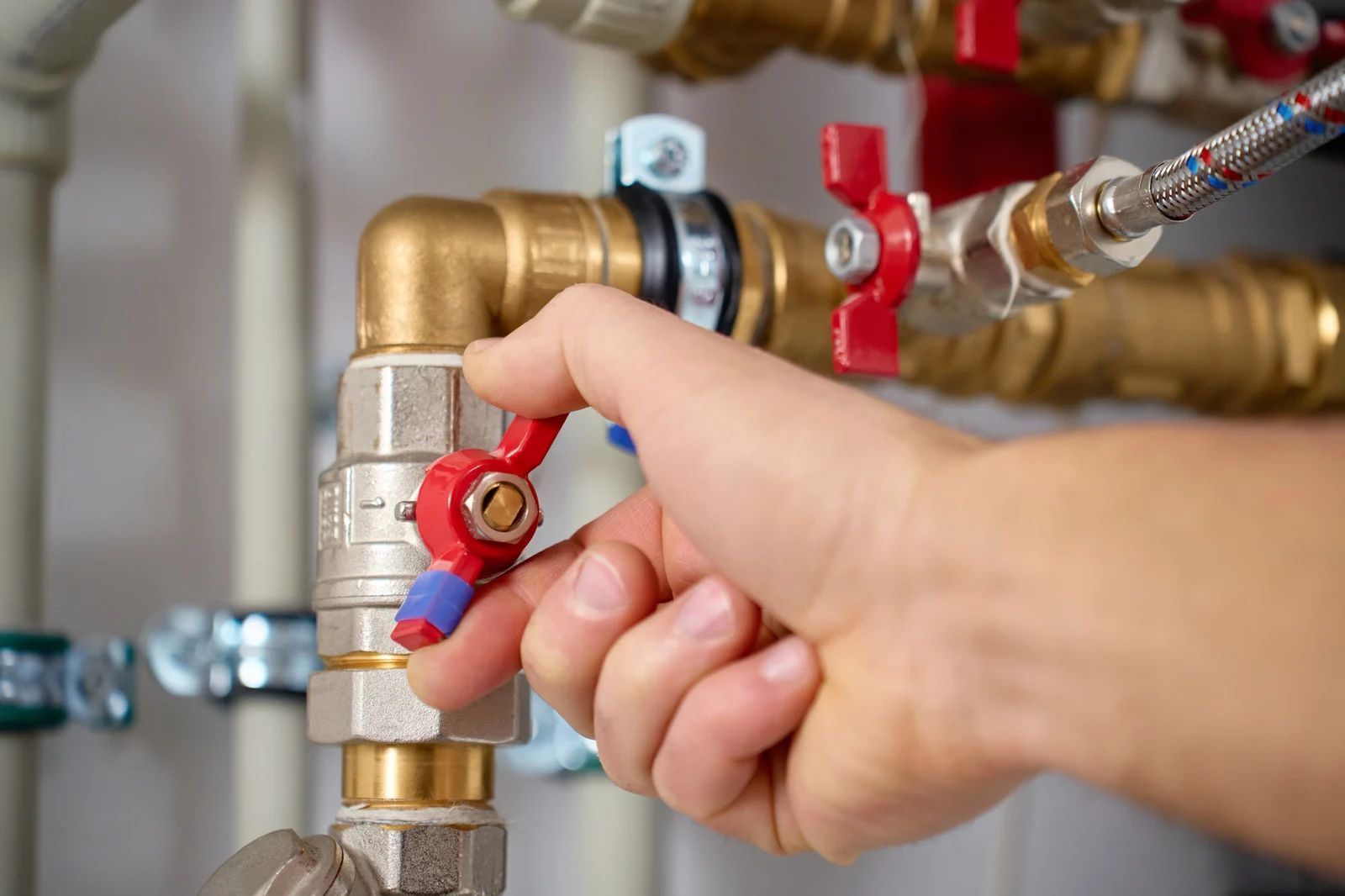
Commercial plumbing is a critical component of any business operation, yet it is often overlooked until a major issue arises. Unlike residential plumbing, commercial systems are larger, more complex, and subjected to heavier use, making them more susceptible to a variety of problems. For business owners and facility managers, even minor plumbing disruptions can lead to costly downtime, potential safety hazards, and reduced customer satisfaction. Understanding common commercial plumbing problems is essential to maintaining smooth operations, protecting assets, and ensuring the safety and comfort of employees and clients.
Preventative maintenance and proactive strategies are the keys to avoiding disruptive plumbing issues. Businesses that ignore the unique demands of commercial plumbing often face emergencies that could have been prevented with proper planning and routine inspection. In this blog, we will explore the top plumbing challenges businesses face, including their causes, potential consequences, and practical preventive measures. By providing actionable insights and expert reasoning, this guide equips facility managers, property owners, and business operators with the knowledge needed to safeguard their commercial plumbing systems and maintain uninterrupted operations.
1. Clogged Drains and Sewer Lines
Causes of Commercial Drain Clogs
Commercial establishments such as restaurants, office buildings, and manufacturing facilities frequently experience drain and sewer line blockages due to heavy usage. Grease, food particles, hair, paper products, and industrial debris accumulate over time, restricting water flow and causing pressure in the pipes. In older buildings, tree roots can infiltrate underground pipes, causing severe blockages and damage that require extensive repairs. Unlike residential systems, commercial plumbing lines are larger but handle a much higher volume of waste, which means even minor obstructions can escalate quickly into major plumbing emergencies that disrupt operations.
Impacts on Business Operations
Blocked drains can halt daily operations, create unpleasant odors, and compromise sanitation standards across multiple facilities. For food-service businesses, this can result in health code violations, temporary closure, and a damaged reputation. In office buildings, overflowing sinks or toilets disrupt employees and visitors, leading to decreased productivity and increased maintenance costs. The longer a clog persists, the more extensive—and expensive—the repairs become, potentially requiring specialized equipment or emergency plumbing services to restore normal operations efficiently.
Prevention Strategies
Routine maintenance is essential to prevent drain and sewer issues from developing into emergencies. Installing grease traps in commercial kitchens, using strainers to catch debris, and scheduling regular professional drain cleaning services can minimize blockages effectively. Additionally, businesses should educate staff on proper waste disposal and avoid flushing non-biodegradable items down sinks or toilets to reduce risk. Investing in camera inspections of sewer lines can detect early signs of damage, root intrusion, or wear, allowing proactive repairs before a major blockage disrupts operations.
2. Leaks and Pipe Corrosion
Common Causes of Commercial Leaks
testLeaks are a frequent issue in commercial plumbing systems and can occur in both old and modern facilities. They often result from worn-out seals, loose fittings, excessive water pressure, or aging pipes that have weakened over time. Corrosion is especially prevalent in older buildings with galvanized steel or cast iron piping, where chemical reactions and mineral buildup gradually degrade the system. Over time, these factors can create small pinhole leaks that may worsen if left unaddressed, potentially causing significant structural damage or water loss across multiple areas.
Consequences for Businesses
Water leaks in a commercial setting can be disastrous and costly for operations. Beyond wasted water and inflated utility bills, leaks may damage walls, ceilings, flooring, and even sensitive electrical systems, creating safety hazards. Mold growth is a common outcome of undetected leaks, which poses serious health risks to employees and clients while leading to costly remediation efforts. For businesses with sensitive equipment or inventory, even minor water exposure can result in significant operational losses, downtime, and long-term financial implications.
Preventive Measures
Regular plumbing inspections are crucial to identifying leaks and signs of corrosion before they escalate into major problems. Businesses should monitor water pressure levels, replace old piping with durable materials like PEX or copper, and repair minor leaks immediately to avoid costly water damage. Implementing a comprehensive maintenance schedule and collaborating with experienced commercial plumbers ensures a proactive approach to water damage prevention while maintaining business continuity and long-term system reliability.
3. Water Heater Malfunctions
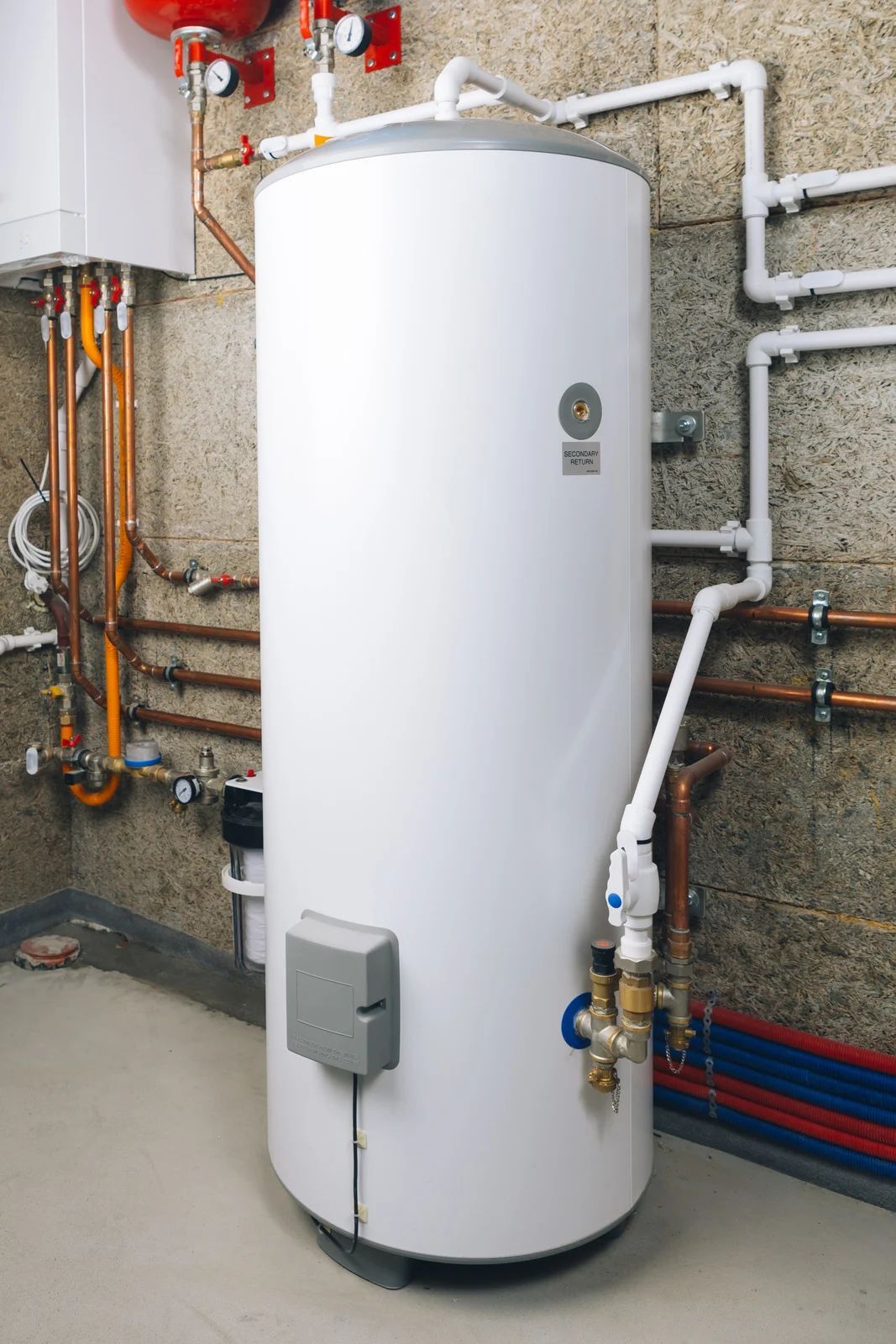
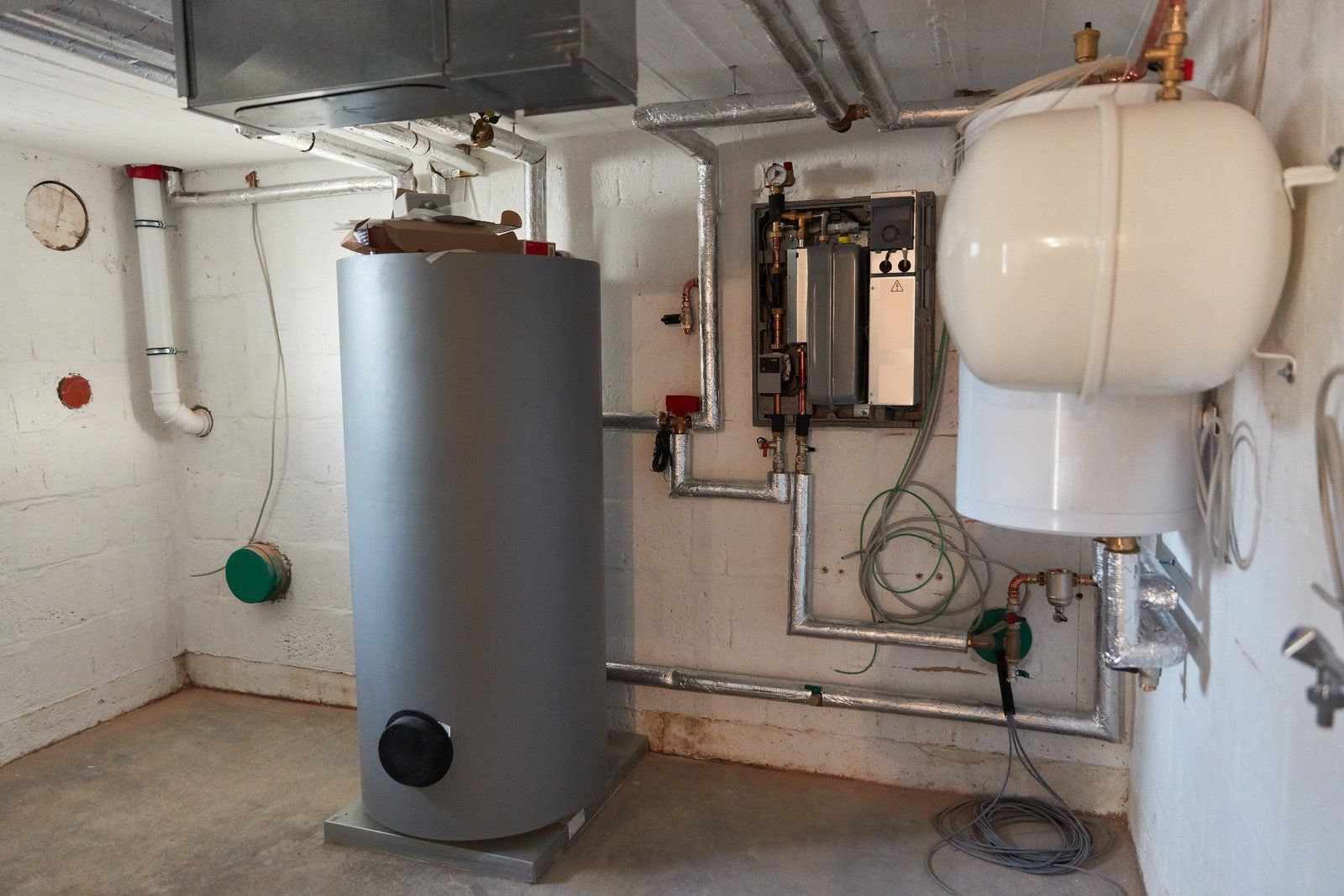
- Why Commercial Water Heaters Fail:- Commercial water heaters are subject to heavy, continuous use, making them prone to mechanical failures, sediment buildup, and thermostat issues. Improper installation, lack of maintenance, and hard water conditions can shorten the lifespan of a water heater and reduce overall efficiency. Unlike residential units, commercial systems must supply multiple fixtures simultaneously, and any malfunction can impact an entire building, affecting daily operations and employee satisfaction. Prolonged neglect can also result in higher energy costs and emergency repair expenses, creating further strain on a business’s operational budget.
- Business Implications:- A malfunctioning water heater can disrupt essential operations in hotels, restaurants, hospitals, and office facilities, creating multiple operational challenges. Insufficient hot water affects sanitation, employee comfort, and customer satisfaction, potentially causing regulatory noncompliance in healthcare or food service settings. Inadequate water temperature may violate health standards, leading to fines or temporary closure. Additionally, sudden heater failures often result in emergency repair costs that are much higher than routine planned maintenance, impacting both revenue and productivity in critical business environments.
- Preventive Approaches:- To prevent water heater issues, businesses should schedule regular inspections, flush tanks to remove sediment buildup, and test thermostats for accuracy periodically. Installing water softeners in regions with hard water can extend the lifespan of the system while improving energy efficiency. For high-demand establishments, considering tankless or hybrid water heaters may provide more consistent performance, lower energy bills, and increased operational reliability across all fixtures, helping to avoid disruptions in critical business activities.
4. Backflow and Cross-Connection Concerns
Understanding Backflow
Backflow occurs when contaminated water flows backward into the clean water supply, posing severe health risks for businesses and clients. It often results from a sudden drop in water pressure, causing unsafe connections between potable water and waste systems. Commercial facilities such as hospitals, laboratories, and restaurants are particularly vulnerable due to the complexity of their plumbing networks and the presence of potential contaminants. Failure to address backflow issues can result in unsafe water distribution and serious legal liability for facility managers.
Risks for Commercial Settings
Backflow incidents can lead to waterborne illnesses, regulatory penalties, and reputational damage for businesses of all sizes. Facilities that fail to implement proper backflow prevention measures may face legal consequences and significant liability if employees or customers are harmed. Additionally, remediation of contaminated water lines can be time-consuming, expensive, and disruptive to operations, impacting employee productivity and potentially leading to extended downtime while repairs and inspections are completed.
Preventive Solutions
Installing backflow prevention devices and conducting routine testing is essential for commercial properties to maintain safe water standards. Facility managers should maintain clear records of inspections and ensure all cross-connections are identified, corrected, and properly managed. Staff training on safe water practices and regular coordination with certified commercial plumbers help minimize contamination risks, protect public health, and avoid costly compliance issues in complex business environments.
5. Toilet and Fixture Problems
- Causes of Commercial Toilet Issues:- High-traffic commercial restrooms often encounter clogged toilets, running fixtures, broken flush valves, and worn-out seals due to heavy and constant usage. Continuous wear and tear, improper maintenance, or inferior-quality fixtures exacerbate problems over time. Additionally, vandalism, misuse, or lack of monitoring in public facilities can cause unexpected damage, increasing maintenance costs and operational disruption, particularly in businesses that serve large numbers of customers daily.
- Operational and Customer Impact:- Non-functional restrooms negatively impact customer experience and employee morale, affecting overall business reputation. For hospitality businesses, such issues can lead to negative reviews, lost revenue, and reduced patronage. Persistent problems may also breach health and safety regulations, potentially resulting in fines, regulatory scrutiny, and operational challenges that require immediate attention and professional intervention to restore facilities to full functionality.
- Maintenance and Best Practices:- Routine inspections, timely fixture replacement, and high-quality commercial-grade products reduce the frequency of restroom issues and improve reliability. Installing automatic or sensor-based fixtures can minimize user-induced damage while maintaining hygiene standards. Proper signage, staff awareness, and periodic deep-cleaning schedules help maintain operational efficiency, prevent avoidable repairs, and ensure that commercial restrooms remain functional and sanitary for both employees and customers.
Trusted Solutions Protecting Businesses From Plumbing Failures
For businesses in Billerica, Massachusetts, Farfaras and Son Plumbing and Heating CO INC stands as a trusted authority in commercial plumbing solutions. With 65 years of experience, the company has honed its expertise in diagnosing, repairing, and preventing a wide range of plumbing issues that affect commercial operations. Farfaras and Son understands the unique challenges businesses face, from high-traffic restrooms and industrial drains to complex water heating systems and backflow prevention. Their team combines technical knowledge with practical, hands-on experience to provide tailored solutions that minimize downtime, enhance operational efficiency, and ensure compliance with safety standards.
Whether it’s routine maintenance, emergency repairs, or system upgrades, Farfaras and Son Plumbing and Heating CO INC
prioritizes transparency, reliability, and long-term results. Businesses benefit from actionable insights, preventative strategies, and prompt service that reduce the likelihood of costly disruptions. Over six decades of service in the region have earned the company a reputation for professionalism, trustworthiness, and technical excellence. Partnering with Farfaras and Son means investing in peace of mind, knowing that expert commercial plumbing support is just a call away.