
Common Gas Line Issues and Warning Signs You Should Never Ignore
April 13, 2026
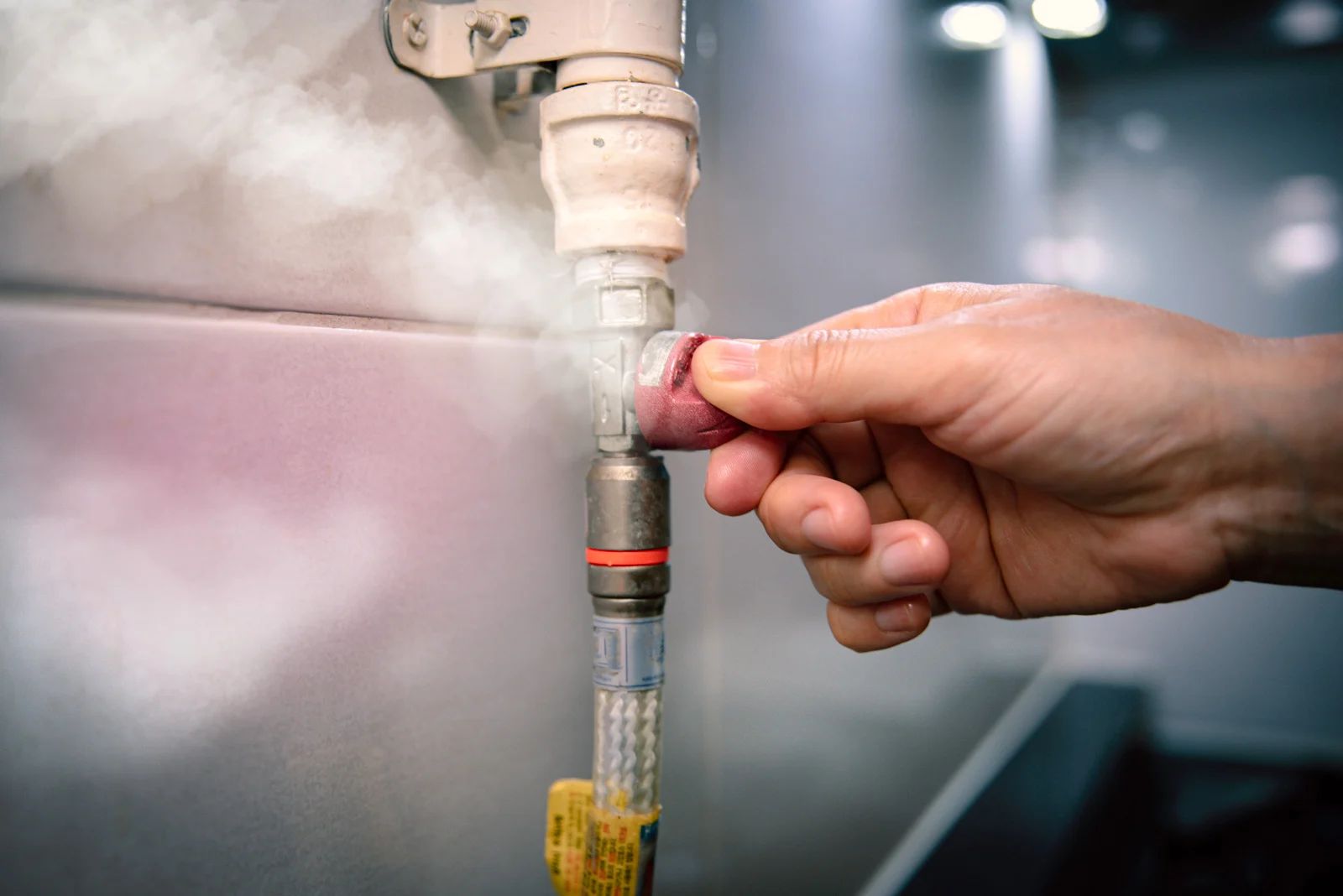
Natural gas powers countless homes and businesses across the country, providing reliable energy for heating, cooking, and hot water. While gas systems are generally safe, even minor issues with gas lines can escalate into serious hazards if left unaddressed. From leaks to corrosion, hidden damage often goes unnoticed until it triggers costly repairs or, worse, endangers lives. Understanding the common problems that affect gas lines, along with early warning signs, is crucial for maintaining a safe and efficient gas system. Timely detection and proactive maintenance not only prevent accidents but also extend the lifespan of the system and reduce unnecessary expenses.
Awareness of gas line issues is especially important given that gas leaks and malfunctions can pose severe risks, including fires, explosions, and carbon monoxide exposure. Recognizing subtle signs before they escalate allows immediate action, ensuring the safety of occupants and property. This blog delves into the most prevalent gas line problems, warning signals to monitor, and practical strategies to prevent serious complications. By equipping homeowners and facility managers with expert insights, it becomes possible to safeguard both daily operations and long-term investments. Learning to identify potential issues early creates a safer, more reliable environment for everyone relying on gas-powered utilities.
1. Gas Leaks: Silent But Extremely Dangerous
Causes of Gas Leaks in Residential and Commercial Systems
Gas leaks are among the most critical issues in any gas system. They can occur due to aging pipes, physical damage from construction or landscaping, faulty connections, or corrosion in metallic pipes. Even small leaks compromise energy efficiency and pose significant safety hazards. External factors such as shifting soil, extreme temperatures, or moisture intrusion can further exacerbate weaknesses in gas lines.
Warning Signs to Watch Carefully for Gas Leaks
Several indicators point to a potential gas leak:
- Unusual Odor Detected Near Appliances: Natural gas is odorless, but a chemical scent resembling rotten eggs indicates the presence of mercaptan, a compound added for detection.
- Persistent Hissing Sounds Along Gas Lines: A continuous hissing near appliances or along a gas line can signal escaping gas.
- Dead Vegetation or Soil Discoloration: Patches of dead or dying grass above underground lines may suggest a hidden leak.
- Physical Symptoms in Occupants: Exposure to leaking gas can cause dizziness, nausea, headaches, or respiratory discomfort.
Risks of Ignoring Gas Leaks for Extended Periods
Leaving a gas leak unaddressed can result in fire, explosion, or carbon monoxide poisoning. Additionally, leaks increase energy costs as gas escapes, reducing overall system efficiency. Immediate attention to suspected leaks minimizes risk and preserves both property and human safety.
2. Corrosion and Pipe Degradation Over Time
Understanding Corrosion in Gas Line Materials
Corrosion occurs when gas line materials, particularly metal, deteriorate due to environmental conditions or chemical reactions. Steel and iron pipes are especially susceptible over time, particularly in areas with high soil acidity, moisture, or improper grounding.
Visible Signs of Corroded or Weakening Pipes
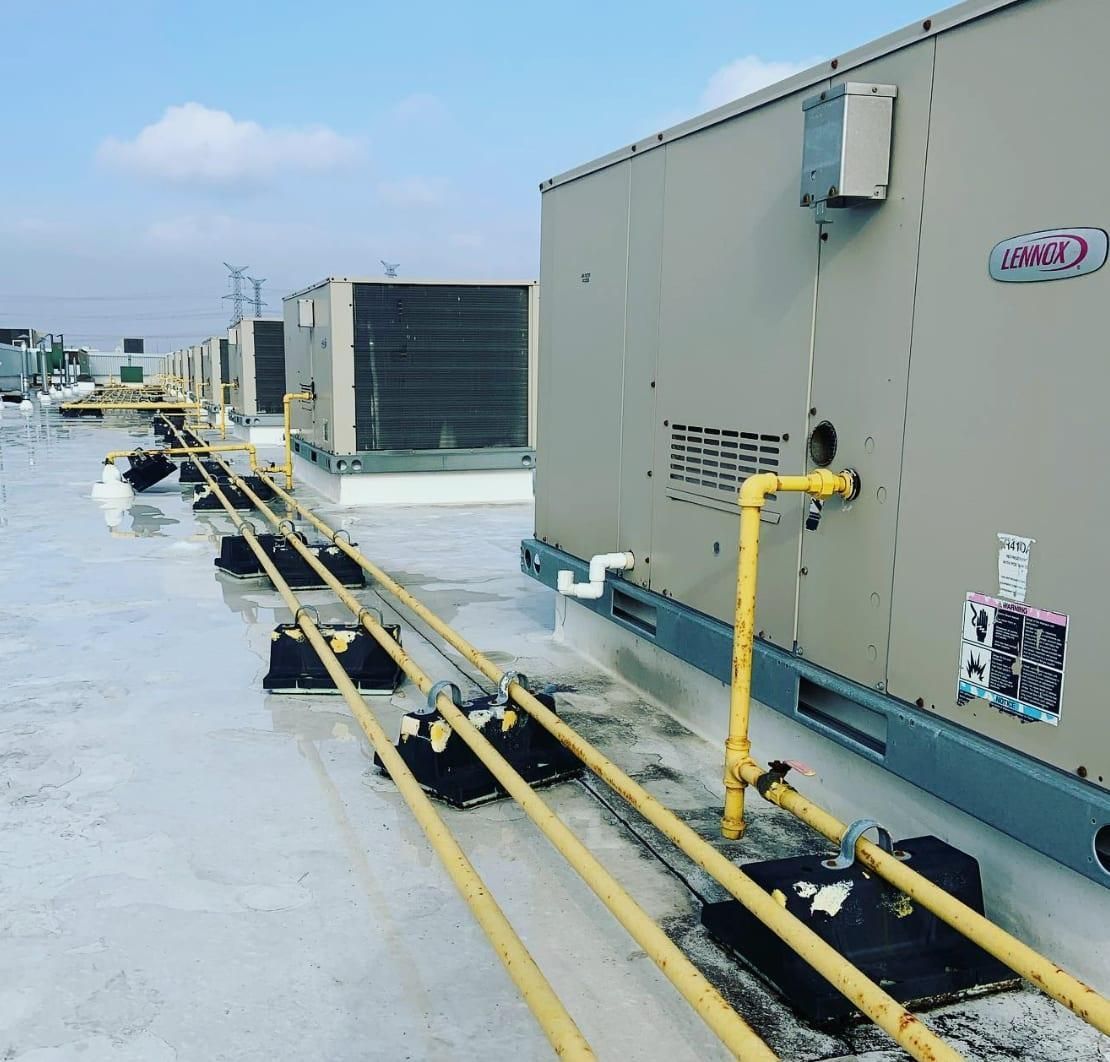
- Rust or Flaking on Exposed Metal Surfaces: Visible rust or flaking material signals weakening and potential failure.
- Discoloration in Nearby Water Systems: For gas lines near water connections, rust contamination may affect water quality.
- Frequent and Recurring Repairs: Constantly patching leaks can indicate systemic corrosion rather than isolated incidents.
Mitigation Strategies and Prevention Practices
Regular inspections and corrosion-resistant materials, such as polyethylene or coated steel pipes, help prevent line degradation. Protective coatings, cathodic protection, and scheduled maintenance inspections reduce the likelihood of serious failures. Proactive replacement of aging pipes is far more cost-effective than emergency repairs.
3. Physical Damage from External Environmental Forces
Common Causes of External Damage to Gas Lines
Gas lines can sustain damage from a variety of external forces, often unnoticed until operational issues arise:
- Construction Work and Excavation Accidents: Excavation, drilling, or landscaping can inadvertently puncture or bend pipes.
- Vehicle Impact on Underground or Exposed Lines: Underground lines near driveways or parking areas may be struck by vehicles.
- Natural Shifts and Soil Movement: Ground movement, erosion, and tree root growth can displace or crush buried lines.
Early Detection Strategies for Potential Damage
- Conduct visual inspections of accessible pipes for dents, scratches, or signs of movement.
- Utilize gas detection devices to monitor pressure drops that indicate line compromise.
- Monitor yard or foundation anomalies, including uneven surfaces or soil depressions near buried lines.
Repair Protocols to Avoid Serious Hazards
Damaged lines require immediate isolation and professional repair. Temporary fixes or ignoring early warning signs can worsen damage and increase safety risks. Maintaining updated utility maps and ensuring proper clearance around pipes reduces the chance of accidental harm.
4. Faulty Connections and Improperly Installed Fittings
How Gas Line Connections Fail Over Time
Connections, joints, and fittings are critical weak points in gas systems. Over time, threaded joints may loosen, seals can degrade, and improper installations can create gaps for gas escape. Vibration from appliances or seismic activity may also compromise fittings.
Symptoms of Faulty or Weak Connections
- Fluctuating Gas Pressure in Appliances: Appliances may perform inconsistently or fail to ignite properly.
- Odors Concentrated Around Fixtures: Leaks are often localized around stoves, water heaters, or furnaces.
- Visible Wear or Loose Components: Corroded, cracked, or loose fittings indicate immediate attention is required.
Best Practices for Connection Maintenance
Regularly check connections during routine service calls. Use sealants approved for gas lines and avoid DIY repairs that may create additional hazards. Professional inspection ensures that all connections meet safety standards and maintain consistent pressure throughout the system.
5. Aging Infrastructure and Material Fatigue Issues
Impact of Aging on Gas Line Systems
Gas infrastructure is not indefinite; pipes degrade over decades, especially if exposed to environmental stressors. Older systems often use outdated materials prone to cracks, leaks, or rust. Aging components also struggle to handle modern demand, increasing stress and failure probability.
Warning Signs of Aging and Fatigued Lines
- Frequent Outages or Repairs Indicating System Stress: Older pipes often require more attention due to recurring problems.
- Visible Cracks, Sagging, or Deformation: Deformation along accessible sections indicates material fatigue.
- Pressure Fluctuations and Flow Inconsistencies: Inconsistent flow or pressure can signal blockages, leaks, or weakened lines.
Strategic Replacement for Safety and Efficiency
Replacing aged infrastructure before a critical failure reduces emergency costs and safety risks. Modern materials, including flexible polyethylene and coated steel, provide enhanced durability. A proactive replacement plan allows smooth integration with current appliances and regulatory compliance.
6. Preventative Maintenance and Comprehensive Safety Practices
Routine Inspections to Catch Problems Early
Scheduled inspections uncover minor issues before they escalate. Professionals use leak detection equipment, pressure tests, and visual assessments to identify vulnerabilities. Inspections should include both visible and buried lines for comprehensive coverage.
Safe Operation Guidelines for Gas Systems
- Never ignore unusual odors, sounds, or performance inconsistencies in gas appliances.
- Keep flammable materials away from gas lines and appliances at all times.
- Ensure proper ventilation in areas where gas is utilized for safety.
Emergency Preparedness and Response Strategies
- Know the location of the main gas shutoff valve and how to operate it quickly.
- Keep emergency contacts readily available for rapid response to gas leaks.
- Install carbon monoxide detectors to provide an additional safety layer in critical areas.
Benefits of Proactive Gas System Care
Preventative maintenance minimizes the likelihood of leaks, reduces energy waste, and ensures optimal performance. Investing in professional inspections and timely repairs extends system lifespan, reduces insurance risks, and enhances overall safety for occupants.
7. Warning Signs That Demand Immediate Professional Attention
Sudden Increase in Gas Bills or Usage
Unexpected spikes in gas usage may indicate a hidden leak or system inefficiency. Monitoring monthly consumption trends helps identify anomalies early and prevent unnecessary risks.
Unexplained Odors or Fumes in Living Areas
Any strong chemical or sulfur-like smell is an immediate red flag. Evacuate the area immediately and contact professionals without delay.
Strange Hissing, Whistling, or Bubbling Noises
Continuous hissing, whistling, or bubbling sounds near lines suggest escaping gas. Unaddressed, these noises can escalate to serious hazards, including fire or explosion.
Discolored, Dying, or Damaged Vegetation Near Lines
Dead patches of grass or plants around buried lines often indicate gas escaping underground. Ignoring these signs can lead to structural issues or increased fire risk.
Trusted Gas Line Experts Ensuring Maximum Safety
Gas line issues pose serious safety, financial, and operational risks if left unattended. Recognizing warning signs such as odors, hissing sounds, fluctuating pressure, corrosion, and physical damage is essential for protecting property and ensuring system efficiency. Proactive inspections, timely repairs, and preventive maintenance are key strategies for mitigating hazards and extending the lifespan of gas infrastructure. Awareness of these indicators empowers homeowners and facility managers to take immediate action, preventing emergencies before they occur.
At Farfaras and Son Plumbing and Heating CO INC, over 65
years of experience in Billerica, Massachusetts, have shaped a legacy of trusted, reliable service. Specializing in
gas line inspection, maintenance, and repair, we provide expert solutions that prioritize safety, efficiency, and long-term performance. Our commitment to professionalism, advanced techniques, and customer-focused care ensures that every gas system operates at its best. Rely on our decades of expertise to safeguard your home or business, delivering peace of mind and unmatched reliability in every project.