
Repair vs. Replace: How to Decide What Your Heating System Really Needs
March 18, 2026
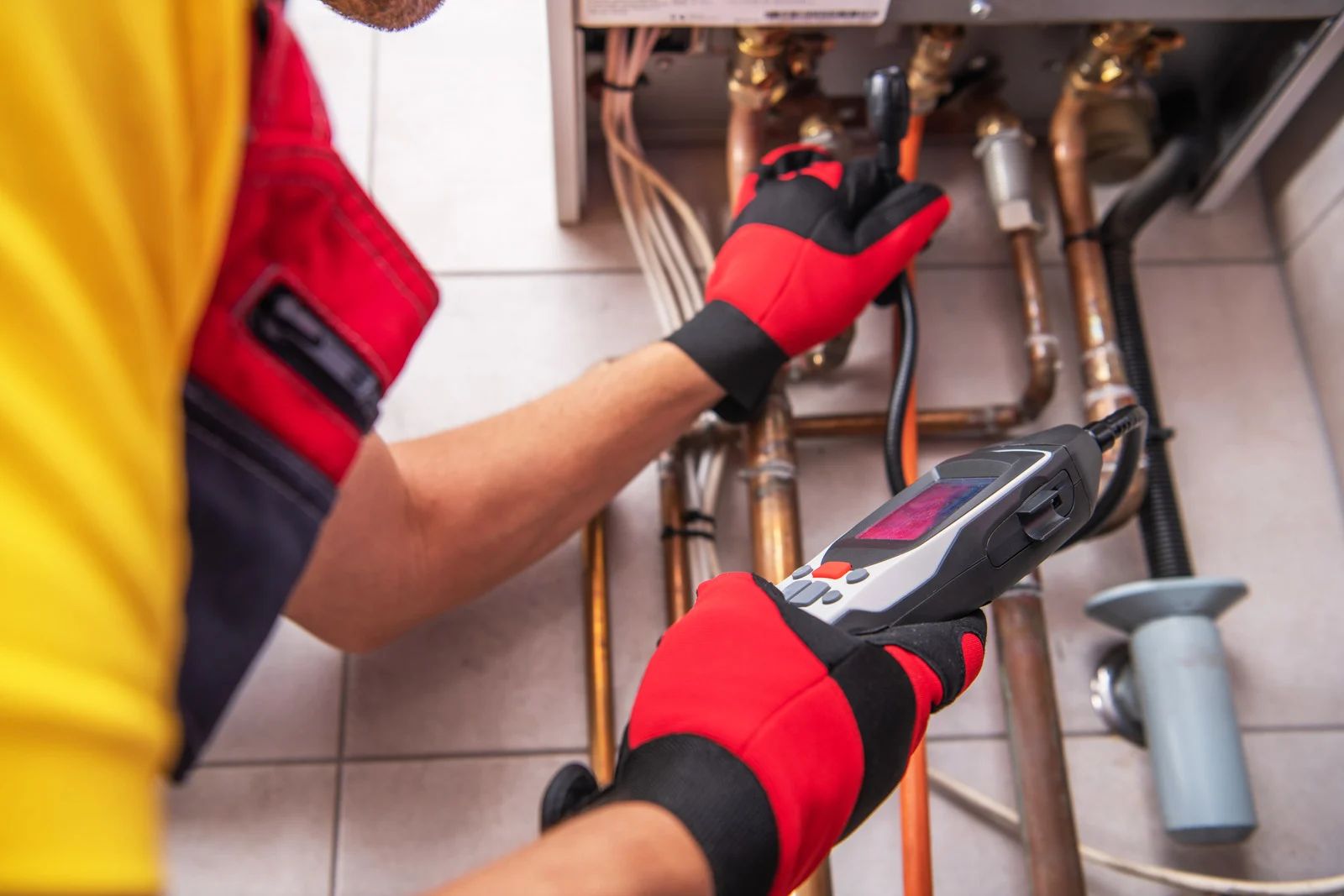
A heating system is more than just a convenience; it is an essential component of a home or business, providing comfort, safety, and efficiency. When a furnace, boiler, or heat pump begins showing signs of trouble, a critical question arises: should it be repaired, or is replacement the smarter choice? Making the right decision requires a careful assessment of system age, repair costs, energy efficiency, and long-term reliability. Understanding the differences between repair and replacement helps prevent unnecessary expenses and ensures consistent performance throughout colder months.
Navigating this choice can be challenging, particularly with a wide range of heating technologies and models available. While repair may seem like a cost-effective solution initially, recurring issues and outdated equipment can result in higher long-term costs and reduced comfort. Conversely, replacement demands a higher upfront investment but can offer improved efficiency, reliability, and modern features. This guide provides a clear framework to evaluate heating system needs, equipping property owners with actionable insights to make informed decisions. By considering key indicators, costs, and energy impacts, it becomes possible to choose a path that aligns with both immediate needs and future priorities.
Understanding the Lifespan of Heating Systems
Average Lifespan of Common Heating Systems
Different types of heating systems have varying expected lifespans. Gas furnaces typically last between 15 to 20 years, while oil furnaces may operate efficiently for 15 to 25 years. Boilers, depending on quality and maintenance, can function for 20 to 30 years, and heat pumps generally last around 10 to 15 years. Recognizing the expected operational span is crucial when evaluating repair versus replacement. Systems approaching the end of their lifespan often face declining efficiency, increasing repair frequency, and higher energy bills, making replacement a more practical long-term solution.
Signs of Aging Equipment
Aging heating equipment often exhibits warning signs before complete failure occurs. These include uneven heating, strange noises, frequent cycling, rising energy costs, and visible corrosion or leaks. Monitoring these indicators can help assess whether repairs will provide meaningful longevity or if replacement will be more cost-effective. Equipment nearing the end of its functional life is more prone to frequent breakdowns, and investing in repeated repairs may not be economical. Identifying aging symptoms early enables proactive decision-making and prevents sudden failures during peak heating seasons.
Cost Analysis: Repair vs. Replacement
Calculating Repair Costs
Repair costs vary depending on the type of system, nature of the issue, and parts required. Minor issues such as thermostat malfunctions, clogged filters, or ignition problems may only cost a few hundred dollars to fix. However, significant problems like cracked heat exchangers, compressor failures, or major electrical issues can exceed several thousand dollars. When repair costs approach 50% of a new system’s price, replacement often becomes a smarter financial choice. A cost analysis should consider both immediate repair expenses and projected maintenance costs over the next few years.
Evaluating Replacement Costs
Replacement involves purchasing and installing a new heating system. This includes equipment costs, labor, ductwork adjustments if needed, and potential permit fees. While the initial investment is higher, a new system often delivers improved energy efficiency, reduced maintenance, and advanced features such as smart thermostats, zoning capabilities, and quieter operation. Energy savings alone can justify replacement, particularly for older systems with declining efficiency. Evaluating the total cost of ownership—including energy use, maintenance, and repair history—provides a clear comparison between repair and replacement.
Real-World Scenario
Consider a 17-year-old gas furnace with a cracked heat exchanger. Repair costs are estimated at $2,500, while a new high-efficiency furnace costs $4,500 installed. Although repair appears cheaper upfront, the furnace may require additional repairs within the next few years and continues to operate at lower efficiency. Replacement, in this case, not only addresses the immediate safety concern but also ensures lower energy costs and long-term reliability, demonstrating the importance of a comprehensive cost evaluation.
Energy Efficiency and Environmental Considerations
- The Efficiency Gap:- Older heating systems generally operate at lower efficiency, often below 80%, meaning a significant portion of energy is wasted during operation. Modern high-efficiency systems can reach 95% or higher, reducing fuel consumption and lowering monthly energy bills. Even if an older system can be repaired, it may not achieve comparable efficiency, resulting in ongoing energy costs that outweigh the repair investment. Efficiency ratings, such as AFUE (Annual Fuel Utilization Efficiency), provide objective benchmarks to compare older systems with current models.
- Environmental Impact:- Energy efficiency is not only a financial concern but also an environmental consideration. Systems with lower efficiency produce higher carbon emissions, contributing to environmental impact and potentially increasing utility costs over time. Replacement with a high-efficiency system reduces greenhouse gas emissions, aligns with sustainability goals, and may qualify for utility rebates or tax incentives. When evaluating repair versus replacement, factoring in environmental benefits can influence the decision, particularly for homeowners or businesses committed to reducing their carbon footprint.
- Expert Insight:- HVAC professionals often recommend replacement for systems over 15 years old that show consistent efficiency decline, even if repair costs are moderate. Investing in a modern system ensures optimized performance, improved comfort, and lower long-term energy consumption, making it a strategic decision for both financial and environmental outcomes.
Reliability and Comfort Considerations
Frequency of Repairs
Frequent breakdowns are a major indicator that replacement may be necessary. A system that requires multiple service calls each year not only causes inconvenience but also raises maintenance costs. Reliability is essential during winter months when heating is critical, and repeated disruptions can compromise comfort and safety. Evaluating repair frequency helps determine whether continuing investment in an older system is justified or if a replacement will provide uninterrupted service.
Consistent Performance
Beyond mechanical function, heating systems are responsible for consistent temperature control and indoor air quality. Older units may struggle to maintain even heating across rooms or fail to eliminate cold spots, resulting in discomfort and increased energy use. New systems often feature advanced distribution technology, variable-speed fans, and precise temperature control, providing superior comfort and efficiency. When comfort is a priority, replacement may offer benefits that repair cannot deliver, particularly in homes with evolving heating needs or larger square footage.
Long-Term Planning
Deciding between repair and replacement requires considering not only current performance but future reliability. A repaired system may function adequately for a few more years, but escalating maintenance costs, unexpected failures, and inefficiency can undermine long-term comfort. Planning for replacement proactively allows scheduling installations during off-peak periods, ensuring preparedness for cold seasons and minimizing emergency repair scenarios.
Safety Concerns
- Risks of Aging Systems:- Heating systems, particularly gas and oil units, can pose safety risks as they age. Cracked heat exchangers, fuel leaks, carbon monoxide leaks, and electrical hazards increase with system age and wear. Repairs may temporarily address these concerns, but repeated or severe issues may indicate that replacement is the safer option. Ignoring safety warnings to reduce short-term expenses can result in hazardous conditions for occupants and potential property damage.
- Carbon Monoxide Detection:- Carbon monoxide (CO) is an odorless, colorless gas produced by incomplete combustion. Older or malfunctioning furnaces are a primary source of household CO risk. While repairs can correct specific faults, a new system eliminates the cumulative risks associated with aging components and outdated safety mechanisms. Investing in a replacement ensures built-in safety features, compliance with modern building codes, and peace of mind for occupants.
- Expert Advice:- Plumbing and heating professionals frequently prioritize safety over cost considerations. When a heating system exhibits any signs of combustion or structural failure, replacement is often the recommended course of action, ensuring both immediate safety and long-term reliability. Safety should always outweigh minor financial considerations when evaluating repair versus replacement.
Making the Decision: Key Considerations
Evaluate Age and Condition
Start by reviewing the system’s age, repair history, and overall condition. Systems older than 15–20 years with recurring issues generally justify replacement. A younger system with minimal problems may be a candidate for repair if costs are reasonable and energy efficiency is acceptable.
Assess Cost vs. Value
Compare repair expenses to the cost of a new system, factoring in energy efficiency, maintenance, and potential rebates. The decision should consider not only the immediate financial impact but also long-term benefits, comfort, and reliability.
Consider Energy Efficiency
Energy costs represent an ongoing expense. Upgrading to a high-efficiency system often results in savings that can offset installation costs over time. For environmentally conscious property owners, the benefits extend beyond finances to sustainability and reduced carbon footprint.
Prioritize Safety and Comfort
Any signs of structural damage, gas leaks, or inconsistent heating should weigh heavily in the decision-making process. Ensuring safety, maintaining comfort, and preventing emergency failures are paramount considerations that may override short-term financial reasoning.
Trusted Professionals Maximize Heating System Longevity
Deciding whether to repair or replace a heating system requires careful consideration of age, condition, repair costs, efficiency, safety, and comfort. While repairs can be cost-effective for minor issues or relatively new systems, replacement offers long-term benefits including improved energy efficiency, reliability, advanced features, and enhanced safety. Evaluating the system holistically—considering immediate needs and future priorities—ensures a financially sound and practical solution.
At Farfaras and Son Plumbing and Heating CO INC, experience guides every recommendation. With 65 years of expertise in Billerica, Massachusetts, plumbing and heating solutions, we provide trusted insights into when repair suffices and when replacement is the smarter choice. Our commitment to quality workmanship, safety, and long-term comfort ensures every heating decision maximizes value and efficiency. We work closely with property owners to assess system health, offer transparent guidance, and implement solutions tailored to each space, combining proven techniques with modern technology to keep homes and businesses warm, safe, and energy-efficient.